AI-Generated Clinical Pathways: Can Machines Design Treatment Protocols?
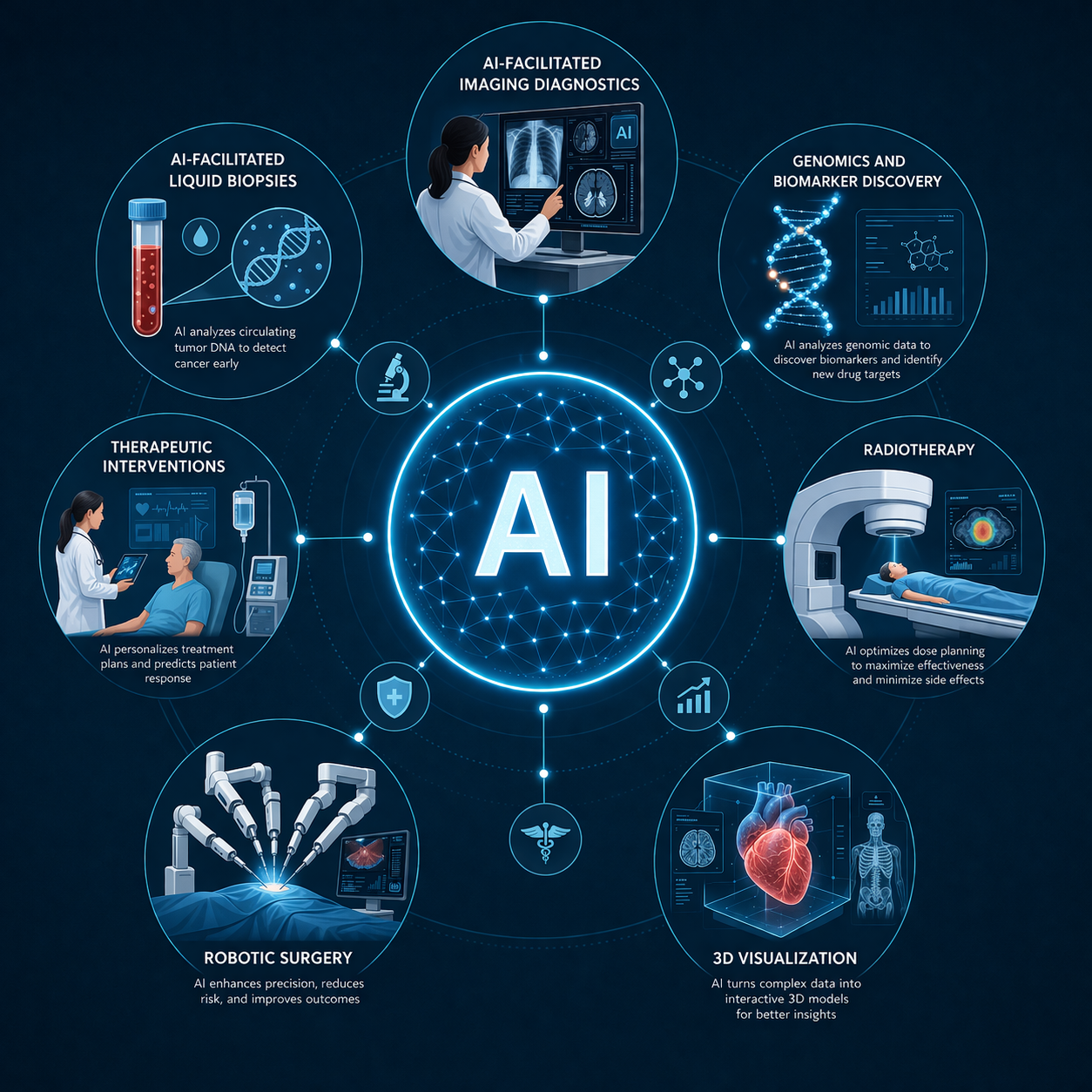
Modern healthcare runs on pathways. From the moment a patient enters the system, clinicians follow structured protocols—diagnostic steps, treatment options, escalation criteria—all designed to ensure consistency, safety, and quality of care. These clinical pathways have traditionally been developed by expert committees, informed by research, guidelines, and years of experience.
But a new question is emerging as artificial intelligence becomes more sophisticated: Can machines design clinical pathways—and should they?
This question sits at the intersection of technology, medicine, and trust. And while the answer is not a simple yes or no, it is increasingly clear that AI is beginning to reshape how treatment protocols are created, updated, and applied in real-world settings.
From Static Guidelines to Dynamic Intelligence
Traditional clinical pathways are, by design, static. They are built using the best available evidence at a given time, then updated periodically as new research emerges. While this model has served healthcare well, it struggles to keep pace with the explosion of medical data and the complexity of modern patient populations.
AI introduces the possibility of moving from static guidelines to dynamic, continuously evolving pathways.
Instead of relying solely on periodic updates, AI systems can analyze vast datasets in near real time—clinical studies, patient records, outcomes data, and even population health trends. From this, they can identify patterns, suggest optimal treatment sequences, and adapt recommendations based on new evidence as it becomes available.
In effect, clinical pathways could become living systems rather than fixed documents.
How AI Designs Clinical Pathways
AI-generated pathways are not created in the same way humans design protocols. Rather than starting with theory and validating through practice, AI works in reverse—learning from data and inferring what works best.
These systems can:
- Analyze historical patient outcomes across thousands or millions of cases
- Identify which treatment sequences lead to better results for specific patient groups
- Detect variations in care that impact outcomes
- Suggest optimized pathways tailored to patient characteristics
For example, an AI system might analyze oncology data and determine that a particular combination of therapies leads to better survival rates for patients with a specific genetic profile. It can then recommend a pathway that reflects this insight, potentially outperforming generalized guidelines.
The power of AI lies in its ability to handle complexity. Where human-designed pathways must simplify reality to remain usable, AI can account for a wide range of variables simultaneously—age, comorbidities, genetic markers, lifestyle factors, and more.
Personalization at Scale
One of the most compelling advantages of AI-generated clinical pathways is the ability to personalize care at scale.
Traditional protocols are often designed for the “average” patient, with adjustments made by clinicians based on individual circumstances. AI flips this model by starting with the individual.
Instead of asking, “What is the standard treatment for this condition?”, AI can help answer, “What is the best treatment for this specific patient?”
This shift has profound implications. It enables:
- More precise treatment selection
- Reduced trial-and-error in care decisions
- Improved patient outcomes
- More efficient use of resources
In this sense, AI-generated pathways are a key enabler of precision medicine.
The Role of Clinicians: Designers, Not Replacements
Despite the sophistication of AI, the idea of machines independently designing treatment protocols raises understandable concerns. Medicine is not purely a data problem—it is also a human one, requiring judgment, empathy, and ethical consideration.
AI-generated pathways should not be seen as replacements for clinical expertise, but as tools that augment it.
Clinicians remain essential in:
- Validating AI recommendations
- Interpreting outputs in the context of individual patients
- Making final decisions about care
- Ensuring that treatment aligns with patient values and preferences
In practice, this creates a collaborative model where AI proposes and clinicians decide. The machine brings speed and scale; the human brings context and accountability.
Challenges and Risks
As promising as AI-generated clinical pathways are, they come with significant challenges.
One of the primary concerns is data quality and bias. AI systems learn from historical data, which may reflect existing inequalities or suboptimal practices. If not carefully managed, these biases can be perpetuated or even amplified in AI-generated pathways.
There is also the issue of transparency. Clinicians need to understand how recommendations are generated in order to trust and use them effectively. Black-box models that cannot explain their reasoning may face resistance, particularly in high-stakes clinical environments.
Regulatory and legal considerations add another layer of complexity. If an AI-generated pathway leads to an adverse outcome, questions arise about accountability. Clear frameworks will be needed to define responsibility and ensure patient safety.
Finally, there is the challenge of integration. For AI-generated pathways to be useful, they must fit seamlessly into existing clinical workflows. Tools that disrupt workflows or add cognitive burden are unlikely to be adopted, regardless of their potential benefits.
Real-World Applications Emerging Today
While fully autonomous pathway design is still evolving, elements of this vision are already being implemented.
AI systems are being used to:
- Recommend treatment options based on patient data
- Identify high-risk patients and suggest intervention pathways
- Optimize care coordination and discharge planning
- Support clinical decision-making in areas such as oncology, cardiology, and critical care
These applications represent early steps toward more comprehensive AI-driven pathway design.
A Shift in How Medicine Evolves
Perhaps the most profound impact of AI-generated clinical pathways is not just in how care is delivered, but in how medical knowledge evolves.
Traditionally, advancements in medicine follow a linear path: research, publication, guideline updates, and eventual clinical adoption. This process can take years.
AI has the potential to compress this timeline dramatically. Insights derived from real-world data can be incorporated into clinical pathways much more quickly, enabling faster learning and continuous improvement.
In this model, every patient interaction becomes part of a feedback loop that refines future care.
The Road Ahead
The question is not whether AI can design treatment protocols—it already can, to a certain extent. The more important question is how these capabilities will be integrated into healthcare systems responsibly.
The future likely lies in a hybrid approach:
- AI systems generate and continuously refine pathways
- Clinicians validate and apply them
- Organizations establish governance frameworks to ensure safety and fairness
This balance ensures that innovation does not come at the expense of trust.