The Illusion of Digital Transformation in Healthcare
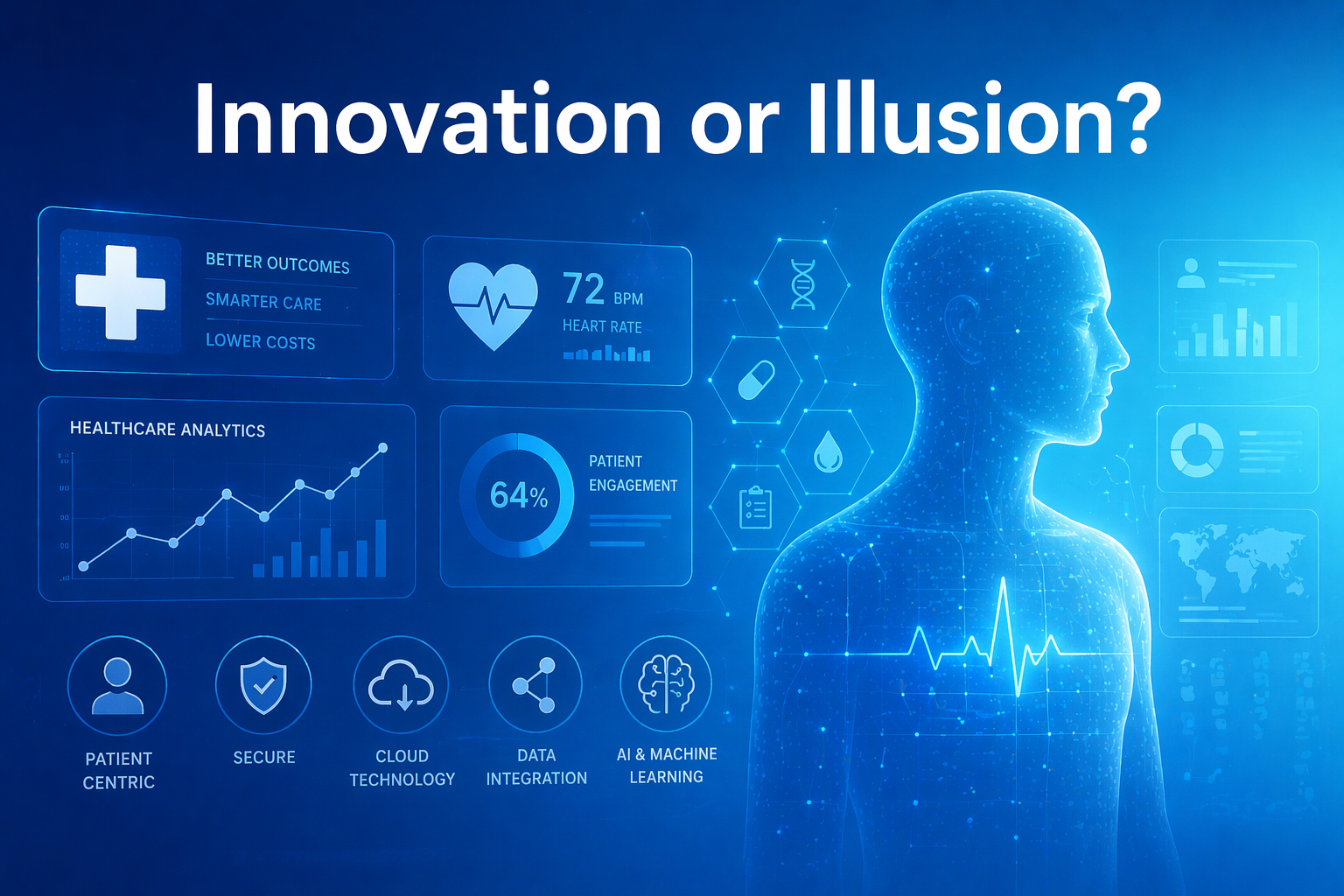
Over the past decade, “digital transformation” has become one of the most frequently used—and often misunderstood—phrases in healthcare. Hospitals invest in new systems, clinics adopt electronic records, and health systems announce AI initiatives, all under the banner of transformation. Yet beneath the surface, many organizations are discovering an uncomfortable truth: despite significant investment, very little has actually changed in how care is delivered.
This is the illusion of digital transformation in healthcare—a scenario where technology is implemented, but transformation never truly happens.
At first glance, healthcare appears more digital than ever. Electronic health records have largely replaced paper charts. Telehealth platforms have expanded access to care. Patient portals allow individuals to view test results and communicate with providers. Artificial intelligence is being piloted across diagnostics, operations, and research. On paper, the industry seems to be undergoing a rapid digital evolution.
But the reality inside many healthcare organizations tells a different story. Clinicians still struggle with fragmented systems that do not communicate effectively. Administrative processes remain slow and manual. Patients continue to navigate complex, disjointed care journeys. In many cases, digital tools have simply been layered on top of outdated workflows, creating additional complexity rather than eliminating it.
The core issue lies in how digital transformation is approached. Too often, it is treated as a technology problem rather than a systems problem. Organizations focus on acquiring new tools instead of rethinking the processes those tools are meant to support. As a result, digital initiatives become isolated projects rather than drivers of meaningful change.
Electronic health records offer a clear example. While they have digitized patient information, they have not necessarily improved how that information is used. Clinicians frequently spend more time interacting with screens than with patients, navigating interfaces that were designed for documentation rather than care delivery. Instead of simplifying workflows, these systems can introduce new layers of friction.
The same pattern can be seen in other areas. Telehealth, for instance, has expanded access, but in many cases it replicates the traditional appointment model in a virtual format rather than reimagining care delivery. Patients still schedule visits, wait for consultations, and receive episodic care, even though the technology exists to support continuous monitoring and proactive intervention.
Artificial intelligence, often positioned as the next frontier, is also at risk of falling into this trap. Many AI initiatives remain confined to pilot programs or narrow use cases. Without integration into clinical workflows and decision-making processes, their impact is limited. The promise of AI lies not in isolated algorithms, but in its ability to reshape how care is delivered end to end.
Another factor contributing to the illusion is the fragmentation of healthcare systems. Data is often siloed across different platforms, departments, and organizations. This fragmentation makes it difficult to create a unified view of the patient, limiting the effectiveness of digital tools. True transformation requires interoperability—systems that can seamlessly exchange and interpret data across the entire care continuum.
Cultural and organizational barriers also play a significant role. Healthcare is a highly regulated and risk-averse industry, where change is often approached cautiously. Clinicians and staff may resist new technologies if they perceive them as adding complexity or undermining their workflows. Without strong leadership and clear alignment, digital initiatives can struggle to gain traction.
There is also the challenge of measurement. Many organizations evaluate digital transformation based on implementation metrics—how many systems have been deployed, how many users have been onboarded—rather than outcome metrics such as improved patient care, reduced costs, or enhanced efficiency. This focus on activity rather than impact reinforces the illusion that transformation is occurring.
Despite these challenges, the potential for genuine digital transformation in healthcare remains immense. Achieving it requires a shift in mindset. Technology should be seen as an enabler, not the end goal. The focus must move from digitizing existing processes to reimagining them entirely.
This means designing workflows that prioritize patient outcomes and clinician experience. It means integrating systems so that data flows seamlessly across the care journey. It means embedding intelligence into processes, enabling proactive and predictive care rather than reactive interventions. And it means aligning technology investments with clear strategic objectives.
Leadership plays a critical role in this shift. Organizations that succeed in digital transformation are those that treat it as a core business strategy, not an IT initiative. They involve clinicians in the design and implementation of systems, ensuring that technology supports rather than disrupts care delivery. They invest in change management, recognizing that transformation is as much about people as it is about technology.
The patient perspective is equally important. True transformation should make healthcare more accessible, transparent, and responsive. It should reduce friction in the patient journey, from scheduling and communication to treatment and follow-up care. Digital tools should empower patients, giving them greater control over their health and more meaningful interactions with providers.
Looking ahead, the gap between the illusion and the reality of digital transformation will become increasingly apparent. As healthcare systems face growing pressures—from aging populations to rising costs and workforce shortages—the need for genuine transformation will intensify. Organizations that continue to focus on surface-level digitization will struggle to keep pace.
Those that move beyond the illusion, however, have an opportunity to redefine healthcare. By leveraging technology to fundamentally change how care is delivered, they can create systems that are more efficient, more effective, and more patient-centered.
In the end, digital transformation in healthcare is not about adopting the latest technology. It is about changing the way healthcare works. Until that shift occurs, the industry will continue to live with the illusion of progress rather than its reality.