
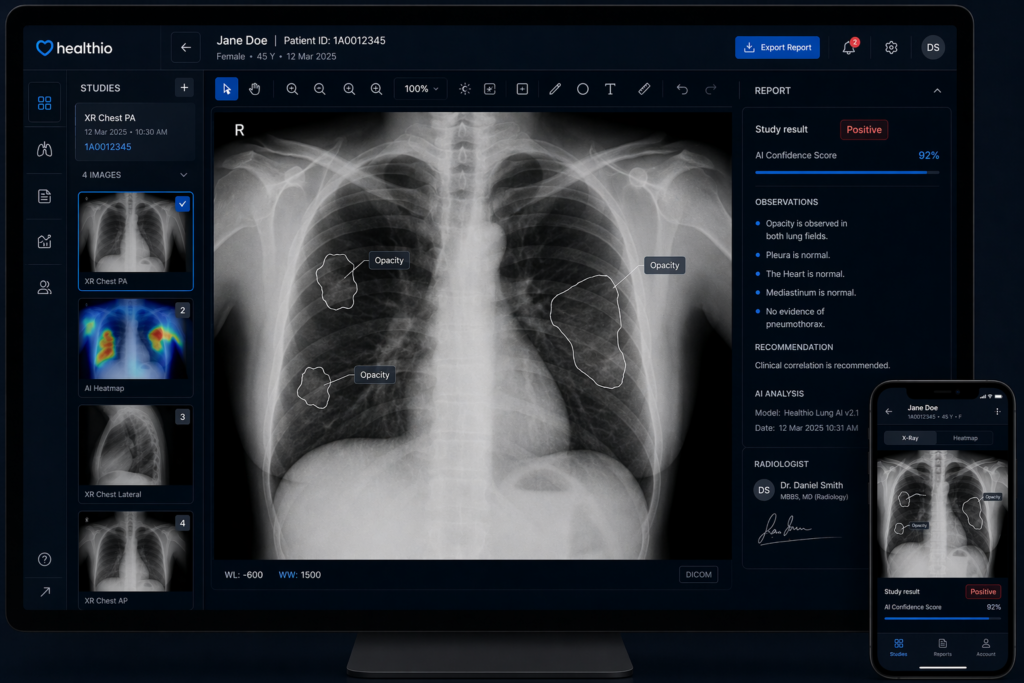
Indian States Expand Radiology AI Adoption; AIIMS Delhi Launches VR Training Centre
India’s public healthcare system is accelerating its adoption of advanced technologies, with multiple state governments rolling out AI-powered diagnostic tools while leading institutions invest in next-generation medical training infrastructure. Madhya Pradesh Pilots AI Radiology Across District Hospitals The Madhya Pradesh government has initiated a pilot programme deploying AI-enabled radiology tools across 10 district hospitals in…

CMS Selects 150 Participants for Upcoming ACCESS Model to Advance Value-Based Chronic Care
Centers for Medicare and Medicaid Services (CMS) has announced the selection of 150 healthcare organizations to participate in its upcoming Advancing Chronic Care with Effective, Scalable Solutions (ACCESS) Model, a new initiative designed to align Medicare payments with measurable patient outcomes. The program, launched by the CMS Innovation Center, aims to expand access to technology-enabled…

What Providers Can Learn from Telemedicine in Long-Term Care
As telemedicine continues to reshape healthcare delivery, its application in long-term care (LTC) is revealing critical lessons for providers serving vulnerable populations. According to Dr. Brian Carpenter, successful telehealth in LTC requires tailored approaches that address the unique clinical, operational, and technological needs of older adults. Adapting Telehealth for a Diverse Patient Population Unlike younger…

Personal Health Operating Systems: Managing the Body Like Software
For decades, operating systems have quietly orchestrated the digital lives we live—allocating resources, managing processes, and translating complex instructions into seamless user experiences. Now, a similar paradigm is emerging in healthcare. The idea of a “Personal Health Operating System” (PHOS) envisions the human body as a continuously monitored, intelligently managed system—where data flows in real…

Zero-Latency Telemedicine Using Edge + 5G Infrastructure
Telemedicine has already transformed how patients and clinicians interact, breaking down geographical barriers and expanding access to care. Yet, despite its rapid adoption, one limitation continues to hold it back from reaching its full potential: latency. Even small delays in video, data transmission, or clinical feedback can disrupt consultations, reduce diagnostic accuracy, and limit the…

AI-Based Energy Optimization in Hospitals: Cutting Costs Without Cutting Care
Hospitals are among the most energy-intensive buildings in modern society. They operate 24/7, rely on complex medical equipment, maintain strict climate control standards, and support critical infrastructure such as operating rooms, intensive care units, and laboratories. Energy is not just a utility in healthcare—it is a lifeline. Yet rising operational costs and sustainability pressures are…

Micro-Insurance Powered by Health Data Streams: A New Revenue Frontier
For decades, insurance has operated on a simple premise: assess risk broadly, pool it across large populations, and price products accordingly. While this model has enabled scale, it has also created inefficiencies—particularly in healthcare—where individual risk profiles can vary dramatically and change over time. Today, the convergence of real-time health data, wearable technology, and artificial…
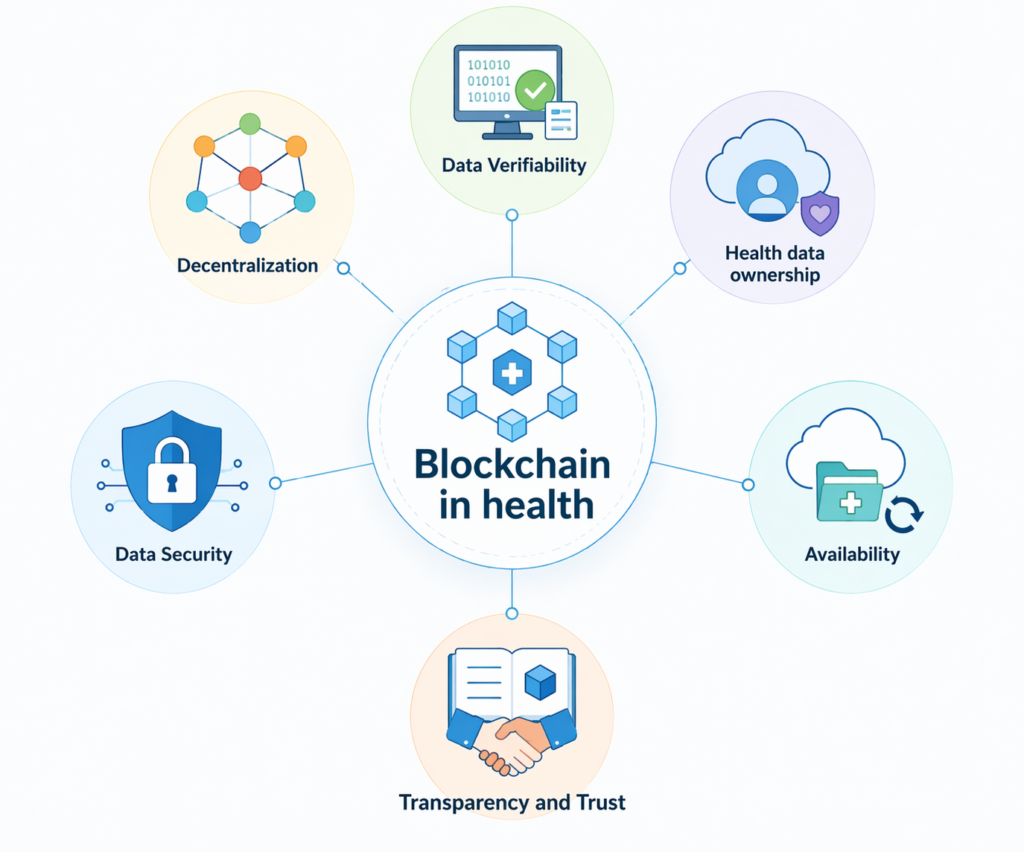
Healthcare Without Hospitals: Business Models for a Decentralized Care Future
For more than a century, the hospital has stood at the center of healthcare delivery—a physical hub where patients go for diagnosis, treatment, and recovery. But that model is undergoing a profound transformation. Advances in artificial intelligence, remote monitoring, telehealth, and digital therapeutics are steadily shifting care away from centralized institutions and into homes, communities,…

South Korea, Indonesia to Pilot AI-Driven Telemedicine in Regional Healthcare Push
South Korea and Indonesia have agreed to launch a pilot program for AI-driven telemedicine services, marking a significant step in expanding digital healthcare collaboration across the Asia-Pacific region. The initiative follows a memorandum of understanding signed between South Korea’s Ministry of Health and Welfare and Indonesia’s Coordinating Ministry for Human Development and Culture, focusing on…

Healthcare CIOs View AI as Strategic Imperative, but Scaling Barriers Persist
Artificial intelligence is rapidly becoming a strategic necessity for healthcare organizations, yet most health systems remain constrained in their ability to scale deployments beyond pilot programs, according to a new industry report. A study released by Qventus finds that while healthcare leaders broadly recognize AI’s potential to transform operations and patient care, significant execution challenges…

AI Study Reveals Hidden Misdiagnoses in Lung Cancer, Raising Stakes for Precision Treatment
A new study published in JAMA Network Open by Caris Life Sciences highlights how artificial intelligence is uncovering clinically significant misdiagnoses in lung cancer—findings that could directly impact treatment decisions and patient outcomes. The research demonstrates that integrating AI into routine cancer diagnostics can identify cases where tumors initially classified as lung squamous cell carcinoma…

Epic Health Systems Begin Sharing Patient Records with SSA via TEFCA to Speed Disability Decisions
A growing number of healthcare organizations using Epic Systems are now exchanging patient medical records directly with the Social Security Administration (SSA) through the nationwide interoperability framework known as Trusted Exchange Framework and Common Agreement. The new connection enables faster, secure data sharing aimed at accelerating disability benefit determinations for millions of Americans. Expanding Network:…