How to Address Shadow AI in Healthcare

As artificial intelligence tools become more common in healthcare, organizations are now facing a new challenge known as “shadow AI.” This concept is similar to shadow IT, where employees use software or digital tools without approval from the IT department. In the case of shadow AI, staff members may start using AI tools on their…
Read MoreCTEM for Healthcare: A Guide to Continuous Threat Exposure Management

Healthcare organizations are increasingly becoming targets of cyberattacks such as ransomware, credential theft and data breaches. Because hospitals depend on digital systems and connected medical devices, even a small cybersecurity issue can disrupt patient care. To address this growing risk, many healthcare organizations are now adopting a modern cybersecurity approach called Continuous Threat Exposure Management…
Read MoreWhat Healthcare Organizations Can Learn from NIST’s AI Risk Management Framework

Artificial intelligence is rapidly becoming part of everyday healthcare operations, from clinical documentation tools to AI systems that help doctors make evidence-based decisions. However, as AI adoption grows, so do concerns about data privacy, security risks and regulatory compliance. Healthcare organizations are now looking for clear guidance on how to safely use AI technologies, and…
Read MoreHealthcare Cyber Resilience: A Comprehensive Security and Recovery Guide

Healthcare organizations are facing increasing threats from ransomware and cyberattacks, which can cause serious IT outages and disrupt critical hospital systems. Because hospitals rely heavily on digital systems such as electronic health records (EHRs), imaging systems, and diagnostic platforms, even a short downtime can affect patient care and safety. As a result, healthcare leaders are…
Read MoreDigital Marketing for Healthcare Industry
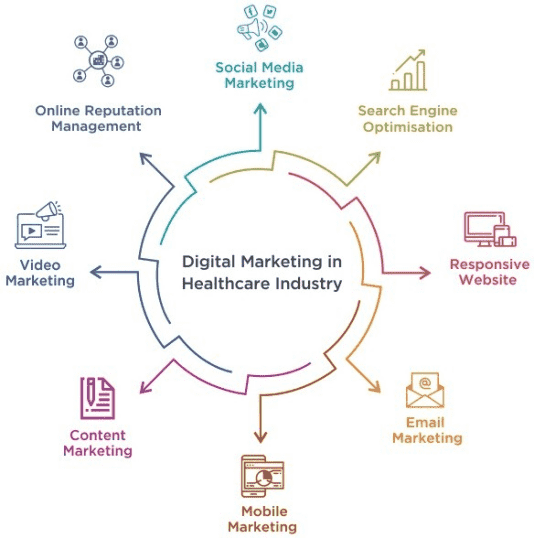
Digital marketing has become very important in the healthcare industry. Earlier, hospitals and clinics depended mostly on traditional marketing methods such as newspaper advertisements, banners, and word-of-mouth promotion. However, today patients search for hospitals, doctors, treatments, and health information online before making a decision. Because of this change in patient behavior, healthcare organizations must use…
Read MoreHow Hospitals Manage Medicines and Equipment
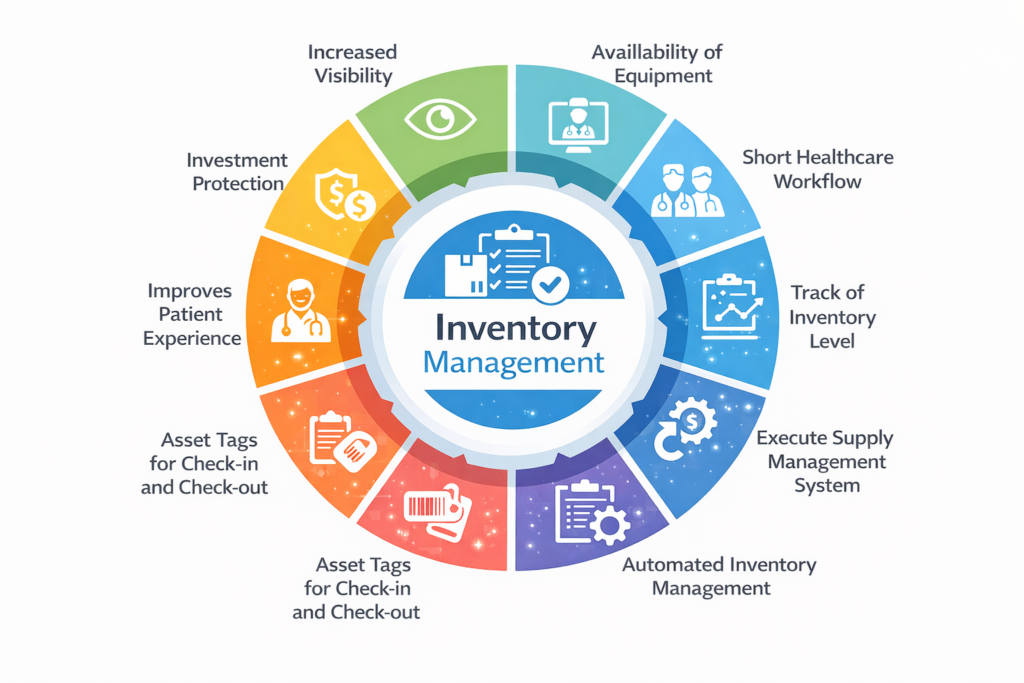
Hospitals manage medicines and equipment through a system called Hospital Inventory Management or Healthcare Supply Chain Management. This system ensures that medicines, surgical tools, medical equipment, and other supplies are available in the right quantity at the right time. Proper management of medicines and equipment is very important because shortages can delay treatment, and excess…
Read MoreHospital Workflow Optimization

Hospital workflow optimization is the process of improving the efficiency, speed, and coordination of tasks and processes within a hospital. Hospitals handle many activities every day such as patient registration, diagnosis, treatment, laboratory testing, pharmacy services, billing, and discharge. If these processes are not properly managed, hospitals may face delays, overcrowding, staff workload issues, and…
Read MoreHow Hospitals Reduce Waiting Time
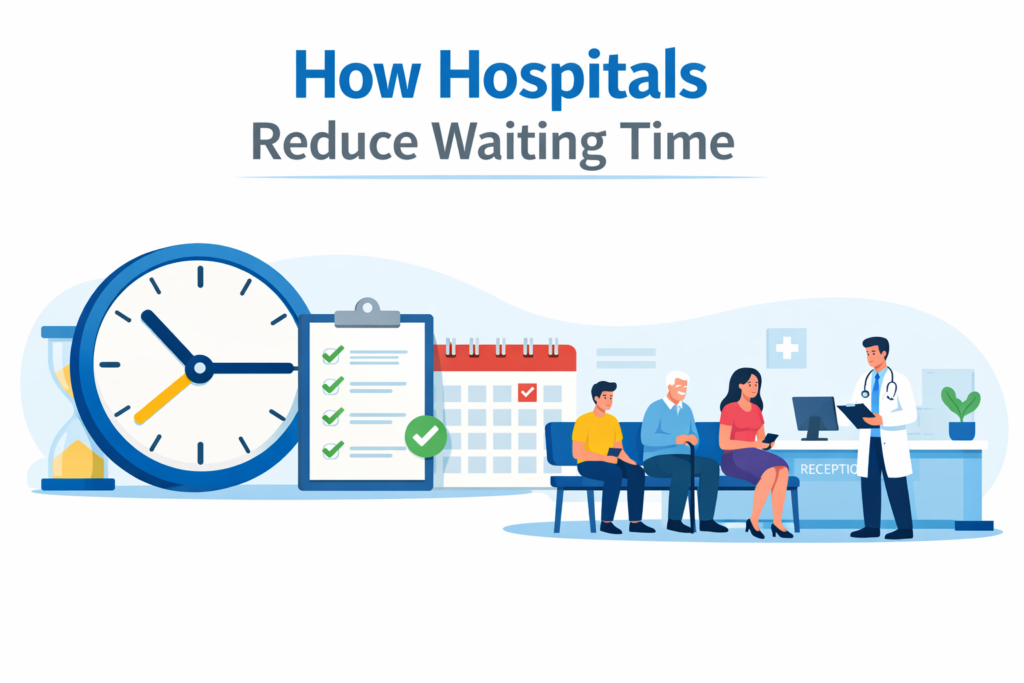
Long waiting times are one of the biggest problems in hospitals. Patients often have to wait for registration, consultation, tests, and billing. Hospitals use different management and technology methods to reduce waiting time and improve patient experience. Efficient hospital operations not only improve patient satisfaction but also help hospitals treat more patients in less time.…
Read MoreHospital Operations Management System
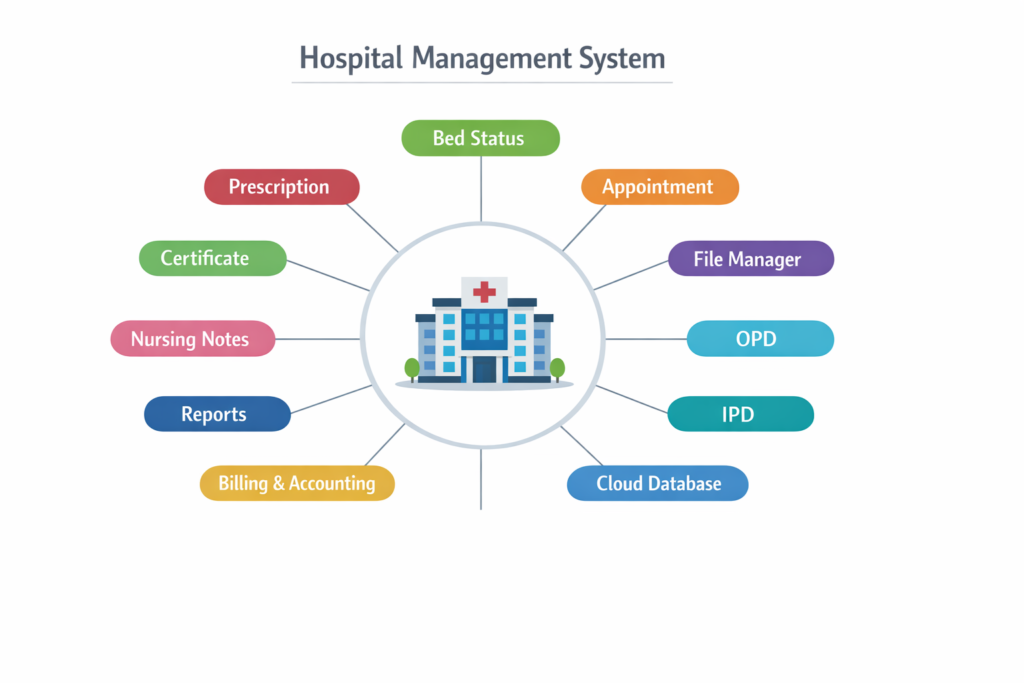
A Hospital Operations Management System (HOMS) is a digital platform designed to manage and automate the day-to-day operations of a hospital or healthcare facility. Hospitals are complex organizations where multiple departments such as reception, outpatient services, inpatient services, pharmacy, laboratory, billing, and administration must work together efficiently. Managing all these departments manually using paper records…
Read MoreAI-Powered Operating Room Technology Helps Erlanger Add 220 Surgeries Per Month

Erlanger Health System in Tennessee has significantly improved operating room (OR) efficiency using an AI-powered surgical scheduling and capacity management platform, allowing the hospital to perform an additional 220 surgeries per month. The investment paid for itself in less than three months and is now projected to generate a five-times annual return on investment, according…
Read More