Central Maine Healthcare Cuts IT Roles Following EHR Modernisation
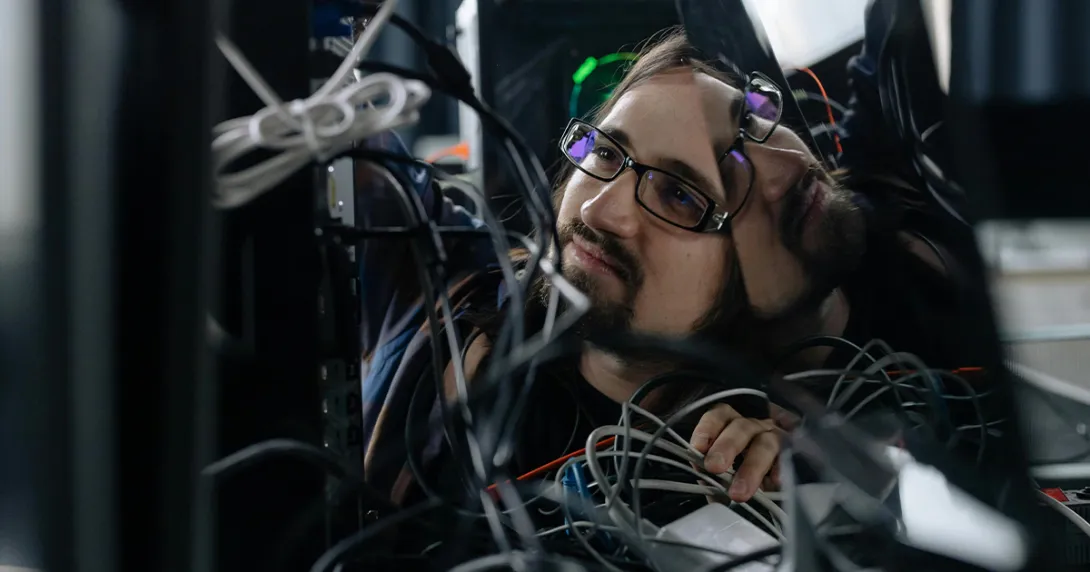
Central Maine Healthcare has laid off 38 IT employees as part of a broader technology overhaul tied to its transition to a new electronic health record (EHR) system. The move comes just months after the organisation was acquired by Prime Healthcare Foundation, which has begun upgrading infrastructure across the system.
The Lewiston, Maine-based provider confirmed that the workforce reductions are linked to the retirement of legacy systems and the consolidation of overlapping IT functions. As part of the transformation, the health system is rolling out a new digital platform that includes Epic MyChart, with patient scheduling capabilities expected to go live imminently.
The layoffs reflect a common pattern seen during large-scale digital modernisation efforts, where legacy technology environments are replaced by unified platforms requiring fewer but more specialised resources. Prime Healthcare Foundation, which acquired Central Maine Healthcare in February, has a track record of investing heavily in technology and operational upgrades shortly after taking over financially challenged hospitals.
The acquisition included multiple facilities such as Central Maine Medical Center, Bridgton Hospital, Rumford Hospital, and more than 40 physician practices. Prime Healthcare Foundation has stated that revitalising infrastructure and improving care delivery are central to its mission, noting that it has invested billions of dollars in capital improvements and equipment across its network of hospitals in the United States.
The IT restructuring also follows a significant cybersecurity incident disclosed by Central Maine Healthcare last year. The breach, which occurred between March and June 2025 but was not identified until later in July, ultimately impacted more than 145,000 individuals. Exposed data included patient names, treatment details, insurance information, and Social Security numbers, highlighting the scale of risk associated with outdated or fragmented IT environments.
Industry data underscores the financial and operational pressures driving such transformations. Cybersecurity incidents in healthcare can result in millions of dollars in recovery costs, with downtime and ransomware-related disruptions further compounding financial strain. These risks have made modern, integrated IT systems a priority for many providers, particularly those undergoing ownership transitions or financial restructuring.
Central Maine Healthcare’s latest move illustrates the dual impact of digital transformation in healthcare: while modern platforms can improve efficiency, security, and patient experience, they can also lead to workforce changes as organisations streamline operations and phase out legacy systems.