Cloud Computing in Healthcare Operations
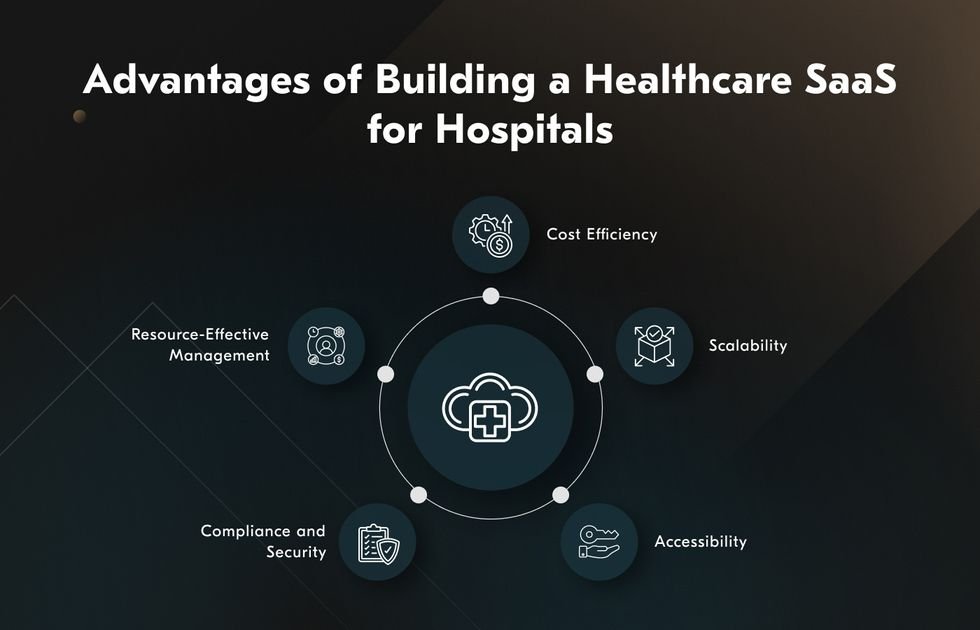
Cloud computing is transforming healthcare operations by providing hospitals and healthcare organizations with scalable, flexible, and cost-effective IT infrastructure. Traditionally, hospitals stored patient data, hospital management systems, and medical applications on local servers. These on-premise systems were expensive to maintain, difficult to scale, and required dedicated IT staff. Cloud computing allows healthcare organizations to store data and run applications on remote servers that can be accessed through the internet.
In healthcare operations, cloud computing is used to store electronic health records (EHR), manage hospital information systems, store medical images, run telemedicine platforms, manage billing systems, and support artificial intelligence applications. Cloud computing improves accessibility because doctors and healthcare staff can access patient records from anywhere, which is especially useful in multi-branch hospitals and telemedicine services.
One of the biggest advantages of cloud computing in healthcare is scalability. Hospitals generate a large amount of data, including patient records, medical images, laboratory reports, and billing data. Cloud systems can store and manage this large volume of data without requiring hospitals to purchase expensive hardware.
Cloud computing also improves collaboration between healthcare providers. Doctors, laboratories, pharmacies, and insurance companies can access the same patient data in real time, which improves coordination and reduces errors.
Another important use of cloud computing is telemedicine. Cloud platforms allow doctors to conduct online consultations, store consultation records, and monitor patients remotely. This is especially useful in rural and remote areas where access to healthcare facilities is limited.
Cloud computing also supports data analytics and artificial intelligence in healthcare. AI systems require large computing power and storage, which can be provided through cloud platforms. Hospitals can use cloud-based AI for disease prediction, medical image analysis, patient risk prediction, and workflow automation.
Cloud Service Models in Healthcare
There are three main cloud service models used in healthcare: Infrastructure as a Service (IaaS), Platform as a Service (PaaS), and Software as a Service (SaaS).
Infrastructure as a Service (IaaS) provides basic computing infrastructure such as servers, storage, and networking. Hospitals can use IaaS to store large amounts of healthcare data and run hospital management systems.
Platform as a Service (PaaS) provides a platform for developers to build healthcare applications such as telemedicine apps, patient portals, and hospital management software.
Software as a Service (SaaS) provides ready-to-use healthcare software such as electronic health records, billing systems, appointment scheduling systems, and telemedicine platforms.
Benefits of Cloud Computing in Healthcare
Cloud computing reduces IT infrastructure costs because hospitals do not need to purchase expensive servers and hardware. It improves data backup and disaster recovery because cloud providers offer automatic backup systems. It also improves data security because cloud providers use advanced cybersecurity technologies.
Cloud computing also improves system integration. Different hospital systems such as EHR, laboratory systems, pharmacy systems, and billing systems can be integrated easily using cloud platforms.
Challenges of Cloud Computing in Healthcare
Despite its benefits, cloud computing in healthcare has some challenges. Data privacy and security are major concerns because patient data is sensitive. Hospitals must ensure that cloud providers follow healthcare data protection regulations.
Internet dependency is another challenge. Cloud systems require a stable internet connection. If the internet is down, hospital systems may not work properly.
Future of Cloud Computing in Healthcare
In the future, cloud computing will support smart hospitals, AI-driven healthcare systems, remote patient monitoring, big data analytics, and Internet of Medical Things (IoMT). Cloud will become the backbone of digital healthcare infrastructure.