
Digital Patient Journey Mapping
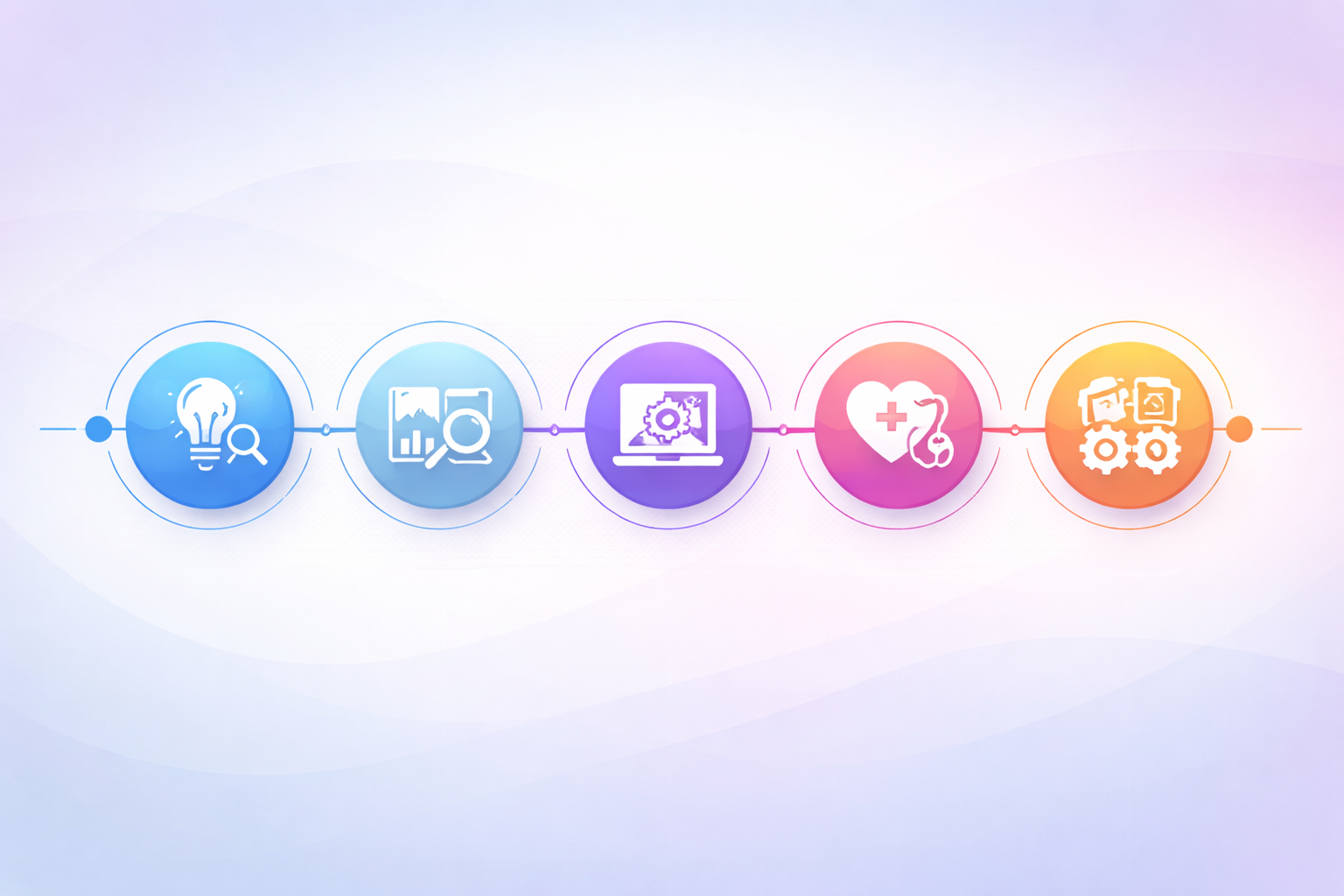
Digital patient journey mapping is becoming an essential strategy in modern healthcare as hospitals and healthcare providers move toward digital transformation. It refers to the process of tracking, analyzing, and improving every interaction a patient has with a healthcare organization using digital technologies. These interactions begin from the moment a patient searches for a hospital online and continue through appointment booking, consultation, diagnosis, treatment, billing, and post-treatment follow-up. By mapping this entire journey digitally, healthcare organizations can improve patient experience, reduce delays, increase efficiency, and provide better quality care.
Traditionally, the patient journey was not well connected. Patients had to call hospitals for appointments, carry physical reports, wait in long queues, and visit multiple departments to complete simple processes. There was very little coordination between departments, and patients often felt confused and frustrated. Digital patient journey mapping aims to solve these problems by connecting all touchpoints through digital systems such as hospital websites, mobile apps, electronic health records, telemedicine platforms, and patient portals.
The digital patient journey usually begins with online search and awareness. Today, most patients search for symptoms, doctors, hospitals, and treatments online before visiting a hospital. Healthcare organizations must ensure that accurate information is available on their websites, mobile apps, and digital platforms. Online doctor profiles, digital appointment booking, treatment information, and patient reviews all play an important role in the first stage of the patient journey.
The next stage is appointment booking and registration. Digital systems allow patients to book appointments online, select doctors, choose time slots, and receive confirmation messages. When patients arrive at the hospital, digital registration systems reduce paperwork and waiting time. Some hospitals use self-service kiosks where patients can check in using their mobile number or patient ID. This improves efficiency and reduces administrative workload.
The consultation and diagnosis stage is another important part of the digital patient journey. Doctors can access electronic health records to view patient history, previous reports, medications, and test results. Digital systems help doctors make faster and more accurate decisions. Telemedicine also plays an important role in this stage, allowing patients to consult doctors remotely through video calls, especially for follow-up visits.
The treatment and hospitalization stage can also be digitally managed. Smart hospital systems can track patient location, medication schedules, test orders, and treatment progress. Patients and their families can receive updates through mobile apps or SMS notifications. Digital billing systems also make the payment process faster and more transparent.
The final stage of the digital patient journey is post-treatment care and follow-up. After discharge, patients may need follow-up consultations, medication reminders, lifestyle guidance, and monitoring. Digital health apps, wearable devices, and remote monitoring systems help doctors track patient recovery. Hospitals can also collect patient feedback digitally, which helps improve healthcare services.
Digital patient journey mapping is important because it focuses on patient experience rather than just hospital processes. It helps hospitals identify problems such as long waiting times, repeated data entry, communication gaps, and inefficient workflows. By analyzing patient journey data, hospitals can redesign processes to make them faster and more patient-friendly.
One major benefit of digital patient journey mapping is improved patient satisfaction. When patients can easily book appointments, access reports online, communicate with doctors digitally, and receive timely updates, their overall experience improves. This also helps hospitals build trust and improve their reputation.
Another benefit is operational efficiency. Digital journey mapping helps hospitals reduce paperwork, automate processes, and improve coordination between departments. This reduces errors, saves time, and improves productivity.
Data analytics is also an important part of digital patient journey mapping. Hospitals can analyze patient journey data to understand patient behavior, common delays, treatment outcomes, and service quality. This data helps hospitals make better decisions and improve healthcare delivery.
However, implementing digital patient journey mapping also has challenges. Hospitals must invest in IT infrastructure, train staff, ensure data privacy and cybersecurity, and integrate multiple systems such as electronic health records, billing systems, laboratory systems, and telemedicine platforms. If systems are not integrated properly, digital transformation may create more complexity instead of solving problems.
In the future, digital patient journey mapping will become more advanced with the use of artificial intelligence and predictive analytics. AI systems will be able to predict patient needs, recommend treatments, schedule appointments automatically, and provide personalized healthcare services. Hospitals will move toward a patient-centered digital healthcare model where services are designed around patient needs rather than hospital processes.


