Healthcare Without Hospitals: Business Models for a Decentralized Care Future
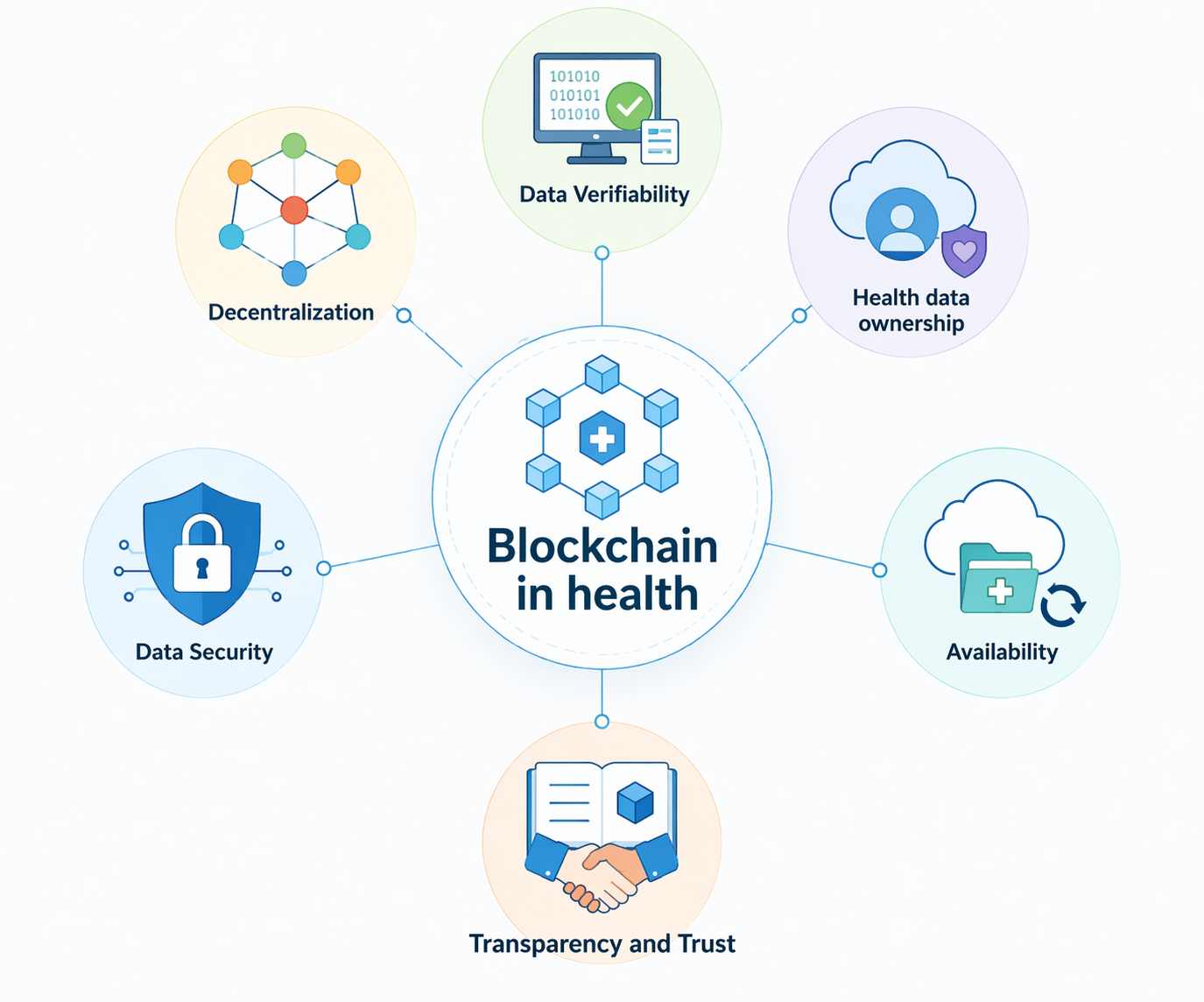
For more than a century, the hospital has stood at the center of healthcare delivery—a physical hub where patients go for diagnosis, treatment, and recovery. But that model is undergoing a profound transformation. Advances in artificial intelligence, remote monitoring, telehealth, and digital therapeutics are steadily shifting care away from centralized institutions and into homes, communities, and even wearable devices. The idea of “healthcare without hospitals” is no longer futuristic speculation; it is an emerging reality that is reshaping how care is delivered, financed, and experienced.
This transition is being driven by a combination of necessity and innovation. Healthcare systems worldwide are under increasing pressure from aging populations, rising chronic disease burdens, workforce shortages, and escalating costs. Traditional hospital-centric models are expensive, resource-intensive, and often inefficient for managing long-term conditions. At the same time, patients are demanding more convenient, personalized, and accessible care. The convergence of these forces is creating fertile ground for decentralized care models that prioritize outcomes over infrastructure.
At the heart of this shift is the concept of moving care “closer to the patient.” Instead of requiring individuals to travel to hospitals for routine monitoring or follow-ups, digital tools now enable continuous care in real time. Remote patient monitoring devices track vital signs, AI algorithms analyze trends, and teleconsultations connect patients with clinicians instantly. This changes not only where care happens, but also how it is structured and paid for.
One of the most significant business models emerging in this decentralized landscape is the “hospital-at-home” model. Rather than admitting patients for conditions that can be safely managed outside traditional settings, providers deliver acute care services directly in patients’ homes. This includes everything from intravenous therapy to remote diagnostics and virtual rounds. Studies have shown that hospital-at-home programs can reduce costs, lower infection risks, and improve patient satisfaction. From a business perspective, this model allows health systems to expand capacity without investing in new physical infrastructure, while also aligning with value-based care incentives.
Another powerful model is the rise of virtual-first care platforms. These platforms position telehealth as the primary entry point into the healthcare system. Patients begin with a digital consultation, and only escalate to in-person care when necessary. This approach optimizes resource allocation by filtering out low-acuity cases and ensuring that hospital visits are reserved for more complex needs. Companies operating in this space often generate revenue through subscription models, employer partnerships, or payer contracts, creating predictable income streams while reducing overall system costs.
Chronic disease management is also being redefined through decentralized models. Conditions such as diabetes, hypertension, and heart disease require continuous monitoring and lifestyle adjustments rather than episodic hospital visits. Digital health companies are building platforms that combine wearable devices, mobile apps, coaching, and AI-driven insights to manage these conditions proactively. These models often operate on a value-based framework, where providers are rewarded for improving outcomes rather than increasing service volume. This represents a fundamental shift in incentives, encouraging prevention and long-term engagement instead of reactive care.
Retail and community-based care models are further accelerating decentralization. Pharmacies, urgent care centers, and even large retail chains are becoming healthcare access points, offering basic diagnostics, vaccinations, and primary care services. These settings are more convenient and cost-effective than hospitals, particularly for routine care. For businesses, this model leverages existing infrastructure and foot traffic, transforming everyday locations into healthcare touchpoints. It also creates opportunities for partnerships between healthcare providers, technology companies, and retailers, blurring the lines between traditional industry boundaries.
Digital therapeutics represent another emerging business model within decentralized care. These are software-based interventions designed to prevent, manage, or treat medical conditions. Delivered through mobile apps or connected devices, digital therapeutics can complement or even replace traditional treatments in certain cases. For example, cognitive behavioral therapy delivered digitally has shown effectiveness in managing mental health conditions. These solutions are often reimbursed by insurers, creating new revenue pathways while reducing reliance on physical facilities.
Artificial intelligence plays a critical enabling role across all these models. AI systems can triage patients, predict disease progression, personalize treatment plans, and automate administrative tasks. By reducing the burden on clinicians and improving decision-making, AI enhances the scalability of decentralized care. However, it also introduces new challenges related to governance, ethics, and trust, which organizations must address to ensure safe and effective deployment.
The financial implications of decentralized care are profound. Traditional fee-for-service models, which reward volume and hospital utilization, are increasingly incompatible with distributed care delivery. In contrast, value-based care models—where providers are compensated based on patient outcomes—align more naturally with decentralized approaches. This shift is encouraging healthcare organizations to invest in technologies and services that keep patients healthy and out of hospitals, rather than filling beds.
Payers are also playing a crucial role in shaping this future. Insurance companies are increasingly covering telehealth services, remote monitoring, and digital therapeutics, recognizing their potential to reduce costs and improve outcomes. Some are even partnering directly with technology providers to create integrated care ecosystems. As reimbursement models evolve, they will continue to influence which decentralized business models succeed and scale.
Despite its promise, the transition to healthcare without hospitals is not without challenges. Regulatory frameworks must adapt to new modes of care delivery, ensuring patient safety while enabling innovation. Data interoperability remains a critical issue, as fragmented systems can hinder seamless care coordination. Workforce training is another key consideration, as clinicians must learn to operate effectively in hybrid and digital environments. Additionally, equity concerns must be addressed to ensure that decentralized care does not widen disparities for populations with limited access to technology.
Trust is perhaps the most important factor in this transformation. Patients must feel confident in receiving care outside traditional settings, and clinicians must trust the tools and data that support decentralized models. Building this trust requires transparency, robust governance, and consistent demonstration of outcomes. Organizations that prioritize these elements will be better positioned to lead in the new healthcare landscape.
Looking ahead, the concept of healthcare without hospitals does not imply the complete disappearance of hospitals. Instead, it signals a redefinition of their role. Hospitals will remain essential for complex, high-acuity care, but they will no longer be the default center for all healthcare interactions. Instead, they will function as specialized hubs within a broader, distributed network of care.
The future of healthcare is increasingly decentralized, digital, and patient-centric. Business models that embrace this shift—by focusing on accessibility, efficiency, and outcomes—will drive the next wave of innovation. As technology continues to evolve and stakeholders align around value-based care, the boundaries of healthcare will expand beyond hospital walls, creating a system that is more responsive, resilient, and sustainable.
In this emerging paradigm, the question is no longer whether healthcare will move beyond hospitals, but how quickly organizations can adapt to a world where care is delivered everywhere.