Hospital Supply Chain Management
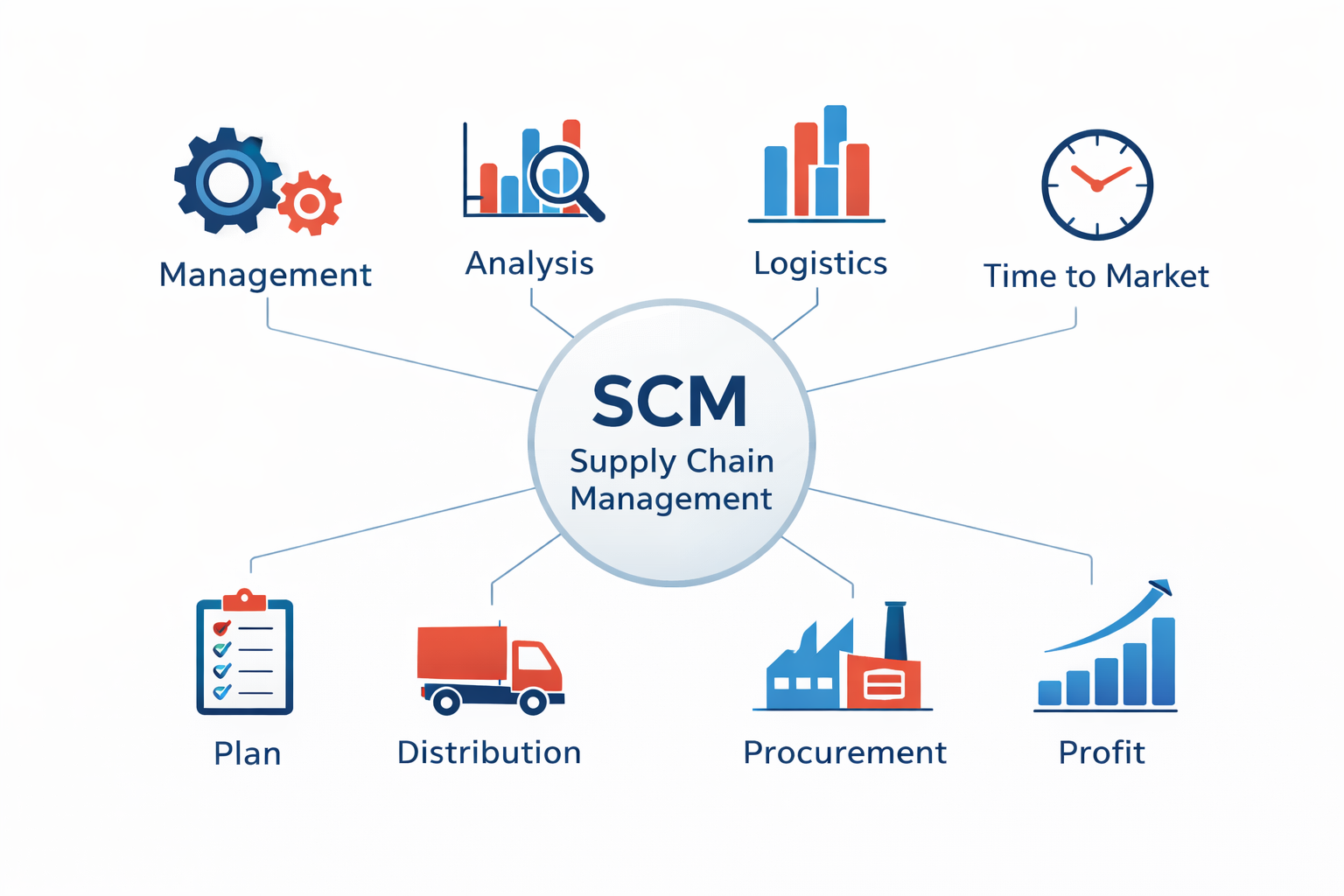
Hospital Supply Chain Management is a critical part of healthcare operations that ensures the right medicines, medical equipment, and supplies are available at the right time, in the right quantity, and at the right cost. A hospital’s supply chain includes procurement, inventory management, storage, distribution, and supplier management. Efficient supply chain management helps hospitals reduce costs, avoid shortages, improve patient care, and increase operational efficiency.
In a hospital, the supply chain involves many items such as medicines, surgical instruments, gloves, masks, syringes, diagnostic equipment, beds, oxygen cylinders, and other medical supplies. If these items are not available when needed, patient care can be delayed, which can be dangerous. Therefore, hospital supply chain management plays a very important role in healthcare services.
One of the main components of hospital supply chain management is procurement. Procurement is the process of purchasing medical supplies and equipment from suppliers. Hospitals must choose reliable suppliers who provide quality products at reasonable prices. The procurement department compares prices, checks product quality, negotiates contracts, and places orders. Digital procurement systems help hospitals automate ordering and track supplier performance.
Another important component is inventory management. Hospitals must maintain an optimal level of inventory. If the inventory is too high, it increases storage costs and wastage, especially for medicines that expire. If inventory is too low, it can lead to shortages. Therefore, hospitals use inventory management systems to track stock levels, expiry dates, and usage rates. Modern hospitals use barcode systems and RFID technology to track inventory in real time.
Storage and warehouse management is also an important part of hospital supply chain management. Medicines and medical supplies must be stored properly to maintain quality and safety. For example, some medicines require cold storage, while others must be stored in dry conditions. Hospitals must ensure proper storage facilities, temperature control, and safety measures.
Distribution is the process of delivering medical supplies from the hospital warehouse to different departments such as emergency, ICU, operation theatre, pharmacy, and wards. An efficient distribution system ensures that all departments receive supplies on time. Many hospitals use automated distribution systems to improve efficiency and reduce manual work.
Technology is playing a major role in improving hospital supply chain management. Hospital Management Systems (HMS), Enterprise Resource Planning (ERP) systems, and cloud-based supply chain software help hospitals track inventory, manage suppliers, and analyze supply chain data. These systems provide real-time information about stock levels, order status, and supplier delivery times. Data analytics helps hospitals forecast demand and plan inventory more effectively.
There are many benefits of efficient hospital supply chain management. First, it reduces operational costs by avoiding overstocking and emergency purchases. Second, it ensures the availability of essential medicines and equipment, which improves patient care. Third, it reduces wastage due to expired medicines. Fourth, it improves financial management and budgeting. Fifth, it improves coordination between different hospital departments.
However, hospital supply chain management also faces several challenges. One of the biggest challenges is demand uncertainty. Hospitals cannot always predict how many patients will come and what type of treatment they will need. Another challenge is supplier delays, which can cause shortages. Managing expiry dates of medicines is also a major challenge. Hospitals must also follow strict government regulations and quality standards for medical supplies.
To overcome these challenges, hospitals are adopting digital supply chain management systems. Technologies such as Artificial Intelligence (AI), Internet of Things (IoT), and data analytics help hospitals predict demand, track inventory, and automate ordering. For example, IoT sensors can monitor stock levels and automatically send alerts when stock is low. AI can analyze past data to predict future demand for medicines and equipment.
In recent years, the COVID-19 pandemic showed the importance of hospital supply chain management. During the pandemic, many hospitals faced shortages of oxygen, PPE kits, ventilators, and medicines. Hospitals with strong supply chain systems were able to manage supplies better and provide better patient care.