Hospital Workflow Optimization

Hospital workflow optimization is the process of improving the efficiency, speed, and coordination of tasks and processes within a hospital. Hospitals handle many activities every day such as patient registration, diagnosis, treatment, laboratory testing, pharmacy services, billing, and discharge. If these processes are not properly managed, hospitals may face delays, overcrowding, staff workload issues, and patient dissatisfaction. Workflow optimization helps hospitals improve service quality while reducing time, cost, and operational errors.
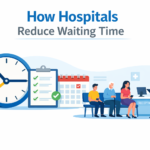
One of the main goals of hospital workflow optimization is to improve patient flow. Patient flow refers to the movement of patients from registration to consultation, diagnosis, treatment, and discharge. If patient flow is not properly managed, patients may experience long waiting times and confusion between departments. Hospitals optimize patient flow by using digital registration systems, appointment scheduling systems, and queue management systems. These systems help in controlling the number of patients and managing time efficiently.
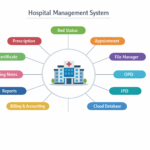
Another important part of workflow optimization is process automation. Many hospital tasks such as patient record management, billing, appointment reminders, and report generation can be automated using hospital management software. Automation reduces manual paperwork, reduces errors, and saves time for hospital staff. For example, lab reports can be automatically sent to doctors, and bills can be generated automatically after treatment.
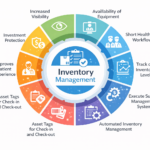
Resource management is also an important factor in hospital workflow optimization. Hospitals must manage resources such as doctors, nurses, beds, operation theatres, medical equipment, and medicines. Workflow optimization systems help hospitals track resource availability and allocate resources efficiently. For example, bed management systems help staff know which beds are available so that patients can be admitted quickly.
Communication and coordination between departments is also important. Hospitals have multiple departments such as OPD, IPD, laboratory, radiology, pharmacy, and billing. If communication between these departments is slow, workflow becomes inefficient. Hospital workflow optimization systems connect all departments through a centralized system so that information can be shared in real time.
Data analytics also plays a major role in workflow optimization. Hospitals collect a large amount of data every day such as number of patients, treatment time, bed occupancy rate, and staff performance. This data can be analyzed to identify delays, bottlenecks, and inefficient processes. Hospital management can use this information to improve scheduling, staffing, and resource allocation.
There are many benefits of hospital workflow optimization. It reduces patient waiting time, improves staff productivity, reduces operational costs, improves patient satisfaction, and improves overall hospital performance. It also helps hospitals handle more patients without increasing staff or infrastructure.
However, implementing workflow optimization systems also has some challenges. Hospitals need to invest in software and technology. Staff need proper training to use new systems. Data security and patient privacy must be maintained. Hospitals must also regularly update their systems to keep them efficient and secure.
In the future, hospital workflow optimization will become more advanced with the use of Artificial Intelligence, IoT, and cloud computing. AI can help predict patient admission rates and optimize staff scheduling. IoT devices can track equipment and patient health in real time. Cloud systems can help hospitals store and access data from anywhere. These technologies will help hospitals become faster, smarter, and more efficient.