How Hospitals Manage Medicines and Equipment
Hospitals manage medicines and equipment through a system called Hospital Inventory Management or Healthcare Supply Chain Management. This system ensures that medicines, surgical tools, medical equipment, and other supplies are available in the right quantity at the right time. Proper management of medicines and equipment is very important because shortages can delay treatment, and excess stock can lead to wastage and financial loss.
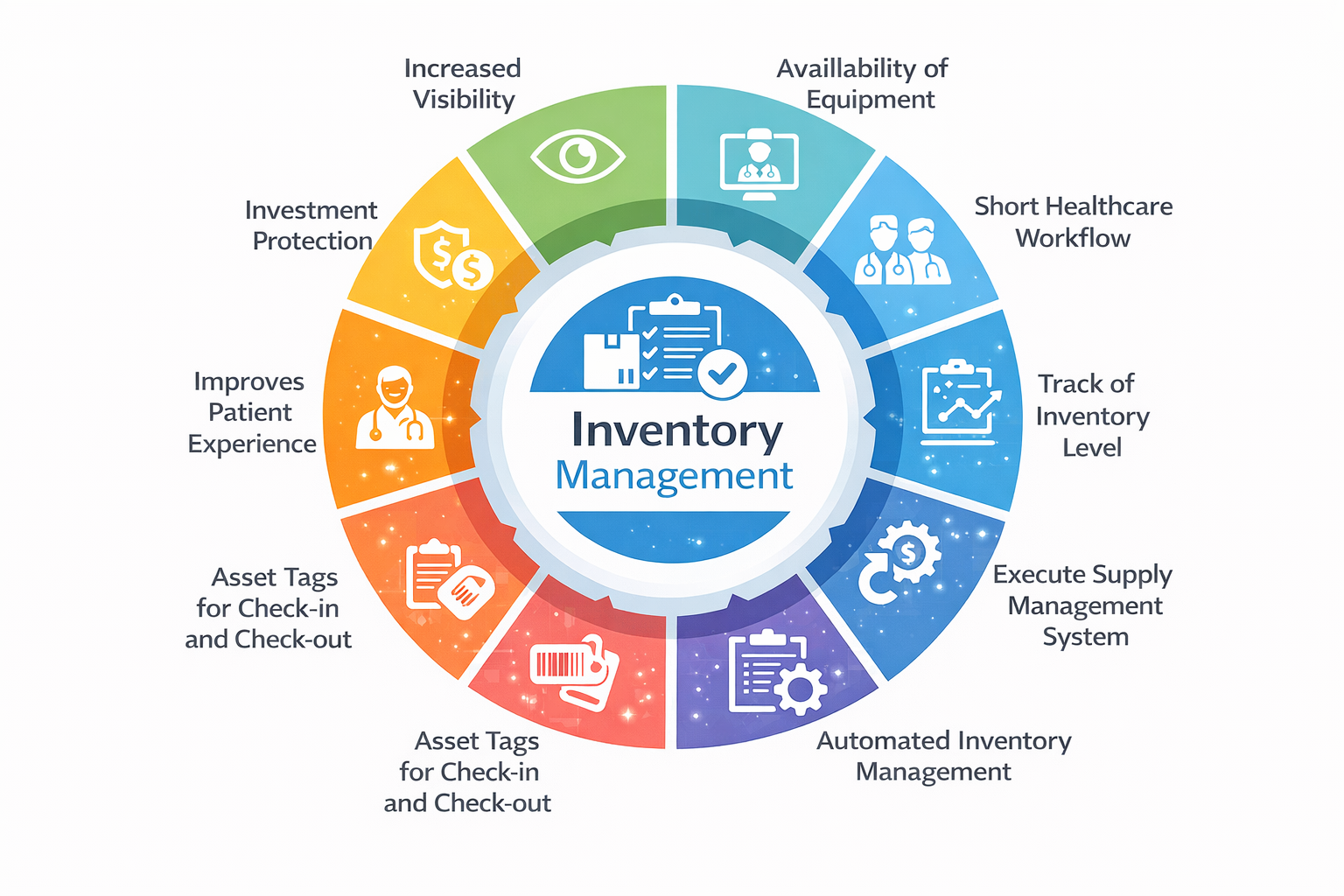
One of the main methods hospitals use is inventory management systems. These are digital systems that track the quantity of medicines and equipment in the hospital store, pharmacy, and different departments. The system records when stock is received, used, or expired. This helps hospital staff know the current stock level at any time.
Hospitals also use barcode and RFID technology to track medicines and equipment. Each medicine box and equipment item is given a barcode or RFID tag. When the item is used or moved to another department, it is scanned and updated in the system. This reduces manual errors and helps track the exact location of equipment.
Another important method is stock level management. Hospitals maintain minimum stock level, maximum stock level, and reorder level. When the stock reaches the reorder level, the system automatically generates a purchase order to suppliers. This ensures that medicines and equipment never go out of stock.
Hospitals also manage expiry dates of medicines. The system gives alerts for medicines that are close to expiry so that they can be used first. This method is called FIFO (First In First Out), where older stock is used before new stock to reduce wastage.
Equipment management systems are used to manage medical equipment such as ventilators, ECG machines, X-ray machines, and surgical instruments. The system keeps records of equipment location, maintenance schedule, and usage history. Regular maintenance is important to ensure that equipment works properly and safely.
Hospitals also use centralized purchasing systems. Instead of each department buying medicines separately, the hospital purchases medicines and equipment from approved suppliers in bulk. This reduces cost and ensures quality control.
Supply chain management is also important in hospitals. It includes purchasing, storing, distributing, and tracking medicines and equipment. A good supply chain system ensures that all departments such as ICU, operation theatre, pharmacy, and wards receive the required supplies on time.
Hospitals also maintain safety stock, which is extra stock kept for emergency situations such as pandemics, accidents, or sudden increase in patients.
In conclusion, hospitals manage medicines and equipment using inventory management systems, barcode/RFID tracking, stock level management, expiry date tracking, equipment maintenance systems, and supply chain management. Proper management helps hospitals reduce wastage, control costs, ensure medicine availability, and provide better patient care.