
New WHO Guidance Helps Countries Strengthen Health Emergency Preparedness Through Simulation Programmes
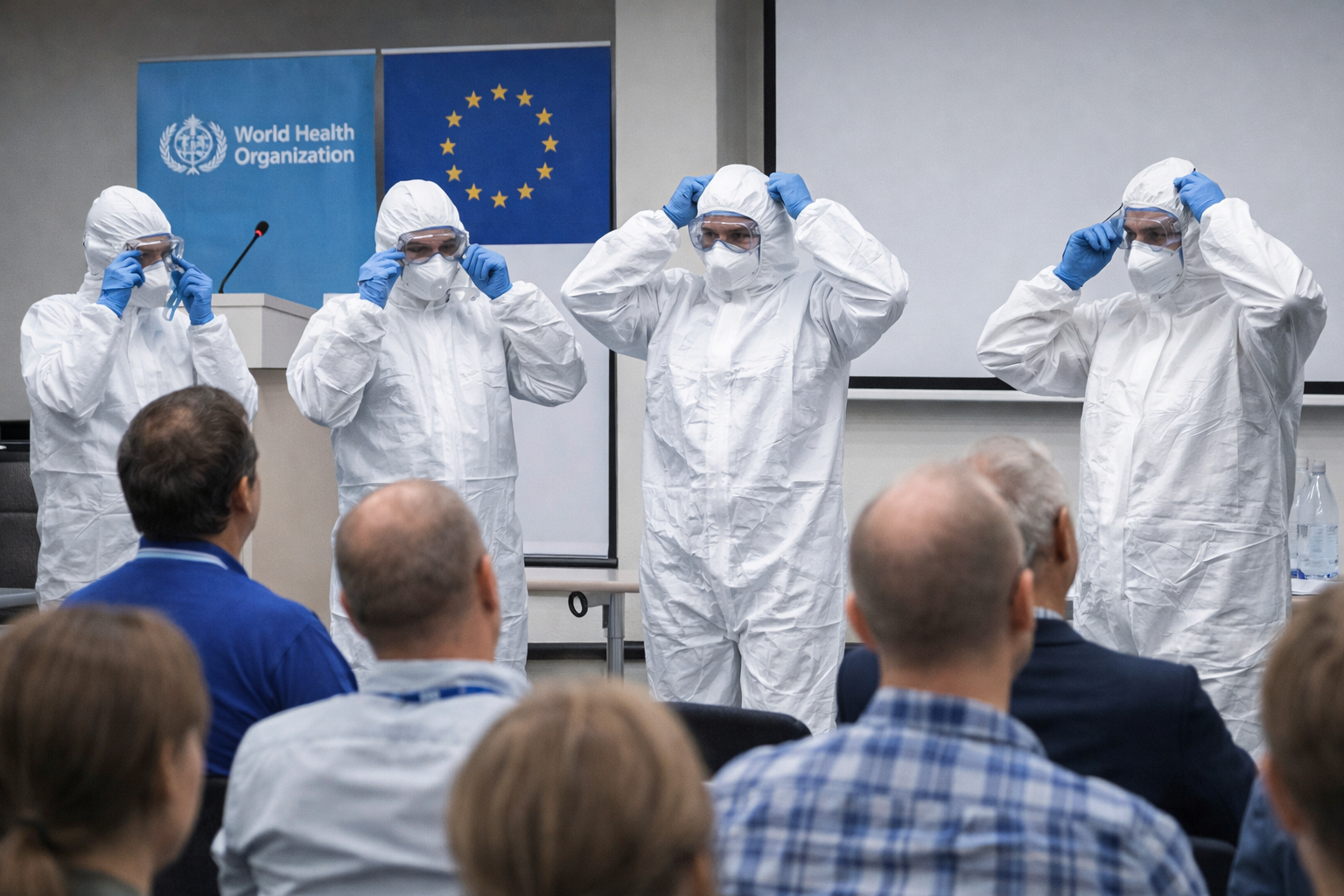
In today’s unpredictable world, health emergencies such as pandemics, climate-related disasters, and chemical or radiological incidents are becoming more frequent. To help countries prepare more effectively, the World Health Organization (WHO) has released new global guidance encouraging countries to adopt structured simulation exercise programmes instead of relying on occasional emergency drills.
The new guidance introduces the concept of National Health Simulation Exercise Programmes (NHSEP). These programmes are designed to help governments regularly test and improve their emergency preparedness systems. Rather than conducting one-time exercises, countries are encouraged to develop continuous programmes based on national risk assessments, health priorities, and monitoring frameworks. The goal is to ensure that lessons learned from simulations lead to real improvements in policies and emergency response systems.
Simulation exercises are important because they allow countries to identify weaknesses in coordination, communication, logistics, and emergency response capacity in a safe environment before a real crisis occurs. This helps governments move from a reactive approach to a more proactive and continuous preparedness strategy.
Ukraine has already demonstrated how this approach can work in practice. With WHO support, the country conducted simulation exercises to test its response to radiological emergencies. These exercises helped identify operational gaps, improve coordination among agencies, and strengthen national emergency response systems. The country has continued conducting regular exercises, showing how simulation programmes can become an ongoing process of learning and improvement rather than a one-time activity.
WHO is also supporting a global initiative called HorizonX, a multi-year simulation programme that helps countries prepare for complex health emergencies through different types of simulation exercises conducted over time.
Overall, the new WHO guidance represents an important shift in global health preparedness. By institutionalizing simulation exercises, countries can strengthen coordination, improve response systems, and ensure better preparedness for future health emergencies.


