Rethinking OR Safety: Integrating Patient Warming and Positioning into One Solution
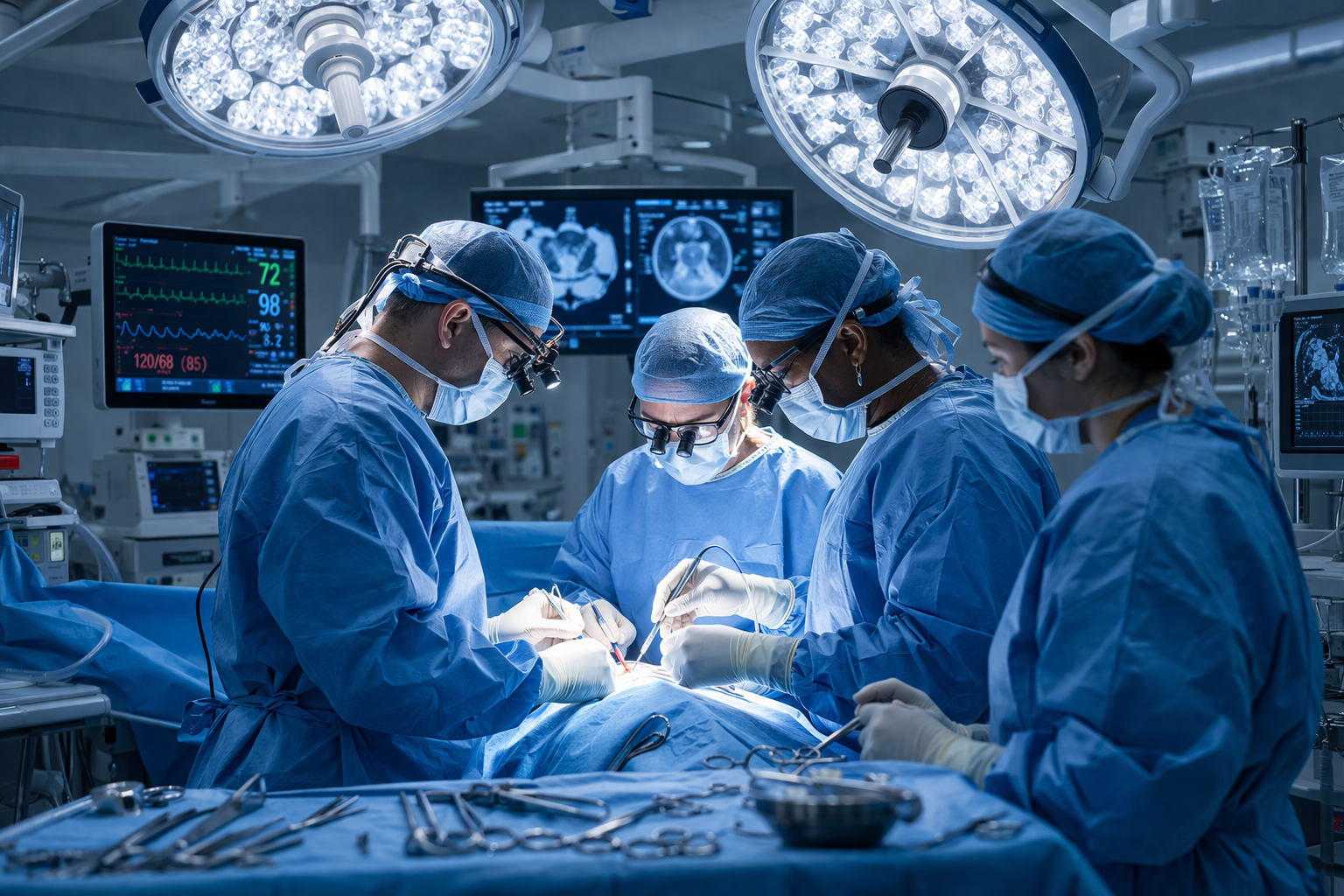
In the high-pressure environment of an operating room, clinicians must manage a complex mix of variables—from equipment and workflow to sterility and patient safety. Among the most critical responsibilities are maintaining a patient’s body temperature and ensuring they remain securely positioned during surgery. Traditionally, these two needs have been addressed separately, but that approach is now being challenged.
Perioperative hypothermia—defined as a core body temperature below 36°C—is a common risk during surgery due to the effects of anesthesia. It has been linked to complications such as infections, increased blood loss, delayed healing, and longer recovery times. As a result, active patient warming is essential. However, conventional airflow-based warming systems can introduce challenges, including excess noise and unwanted heat affecting surgical teams.
At the same time, modern surgical techniques—particularly robotic and minimally invasive procedures—require more complex patient positioning, often at steep angles. Anti-slip pads help maintain stability but can limit the surface area available for traditional warming methods, creating a trade-off between warmth and securement.
This long-standing divide has led clinicians to juggle two critical safety needs with tools that were not designed to work together.
Addressing this gap, Gentherm has developed the ThermAffyx Patient Safety System, which integrates patient warming directly into a securement pad. Instead of relying on forced air, the system uses conductive resistive heating through carbon-fiber elements to deliver consistent warmth via direct contact.
This design eliminates airflow, reducing noise and minimizing disruptions to the operating environment. It also allows clinicians to begin warming earlier in the process, even before surgery begins. The system’s foam pad contours to the patient’s body, improving both stability and heat transfer efficiency.
The innovation draws on technology originally used in automotive heating, adapted for healthcare with added safeguards. These include compliance with medical imaging requirements, resistance to surgical fluids, and enhanced safety features such as redundant temperature monitoring to meet strict regulatory standards.
More broadly, the development reflects a shift in how healthcare technologies are designed. Rather than treating functions like warming and positioning as separate challenges, there is growing recognition that they are interconnected. Integrated solutions can simplify workflows, reduce equipment complexity, and potentially improve patient outcomes.
Ultimately, the goal is not just to refine individual tools, but to rethink how they work together—ensuring that patient warmth and stability are treated as complementary, not competing, priorities in surgical care.