South Korea Backs Medical AI Device Rollout; NTU Singapore Expands Aged Care Tech Programme
Governments and institutions across Asia are accelerating investments in healthcare innovation, with new initiatives spanning medical AI deployment, ageing technologies, and clinical research partnerships.
South Korea Launches Fund to Accelerate Medical AI Device Commercialisation
The Ministry of Health and Welfare South Korea has announced a funding initiative to support the commercialisation of AI-based medical devices, focusing on post-approval market entry.
Under the programme, companies must form consortia with hospital-level providers to access funding between 2026 and 2027. Support will cover:
- Multi-centre clinical validation studies
- Real-world data and evidence generation
- Health economic evaluation and reimbursement pathways
- Market access and commercialization efforts
The initiative is part of the broader AX-Sprint programme, a government-wide AI strategy worth 754 billion won (approximately $500 million), with a dedicated allocation for healthcare innovation.
NTU Singapore Launches $30M Aged Care Technology Programme
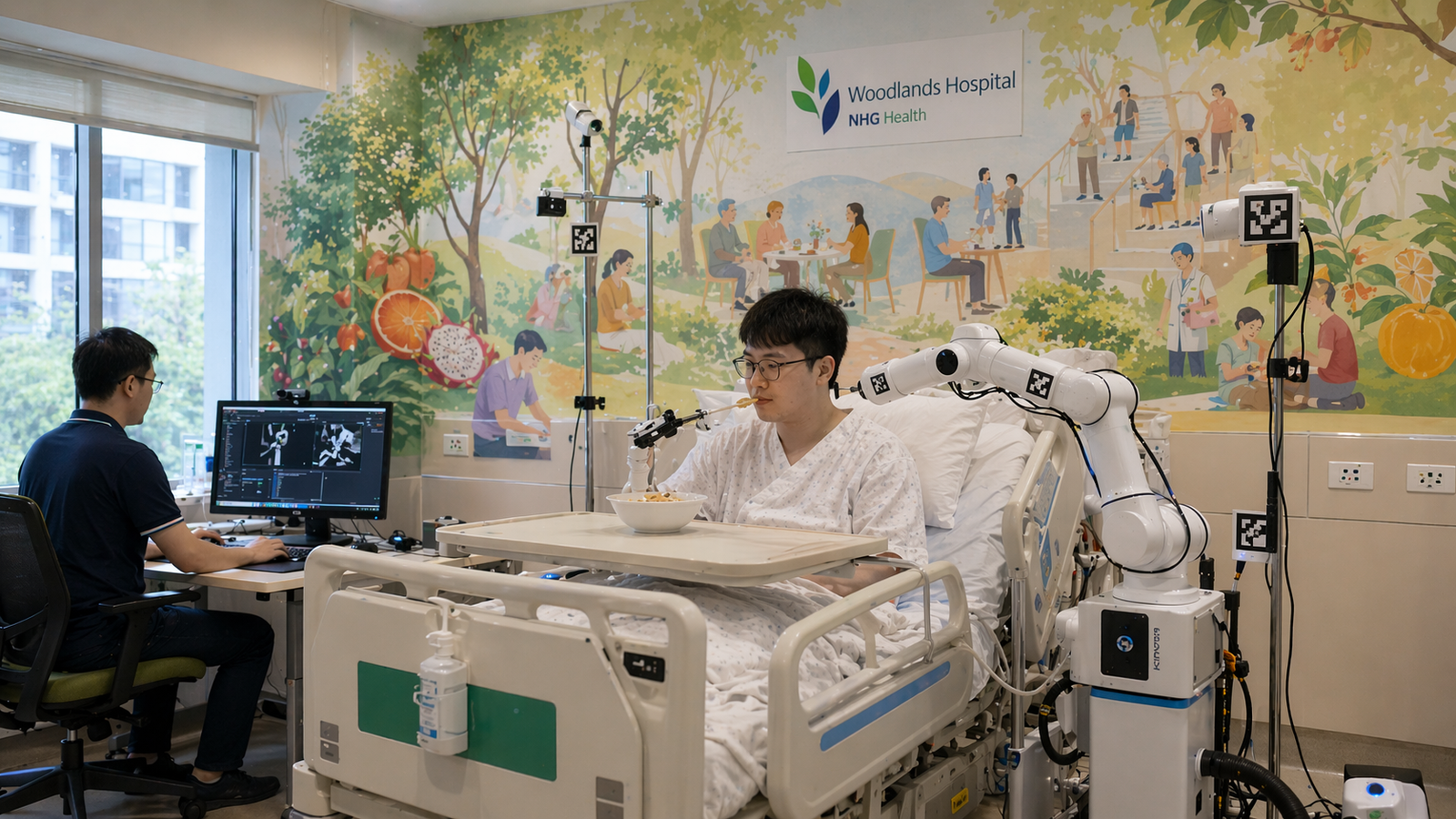
Nanyang Technological University (NTU) has unveiled the second phase of its Future Health Technologies programme (FHT2), backed by S$37.9 million ($30 million) in funding.
Led by the Singapore-ETH Centre in partnership with the National Research Foundation Singapore and NHG Health, the programme aims to translate AI and robotics research into practical solutions for healthy ageing.
Key focus areas include:
- Musculoskeletal health and mobility
- Mental well-being and cognitive health
- Rehabilitation and recovery
The initiative will develop technologies such as AI-powered digital twins, wearable sensors, digital therapeutics, and home-based rehabilitation systems—building on earlier innovations now being prepared for deployment across hospitals and community care settings.
Thailand Partnership to Advance Clinical AI and Workflow Technologies
In Thailand, Bangkok Hospital Chiang Mai has partnered with Chiang Mai University Science and Technology Park to co-develop and test healthcare technologies within clinical environments.
The collaboration will focus on:
- AI-driven healthcare applications
- Clinical workflow support systems
- Patient safety technologies
- Medical device innovation
The partnership aims to bridge research and real-world deployment by developing solutions tailored to operational needs within hospital settings. It is described as the first collaboration of its kind in Chiang Mai between a private hospital and a university focused on applied health technology development.
Regional Momentum in Health Innovation
These initiatives highlight growing momentum across Asia to integrate AI, robotics, and digital technologies into healthcare systems. From accelerating medical device commercialization to advancing aged care solutions and clinical innovation, the region is positioning itself at the forefront of next-generation healthcare transformation.