Study Suggests Novo Nordisk’s Weight-Loss Drug May Better Preserve Muscle Than Lilly’s Tirzepatide
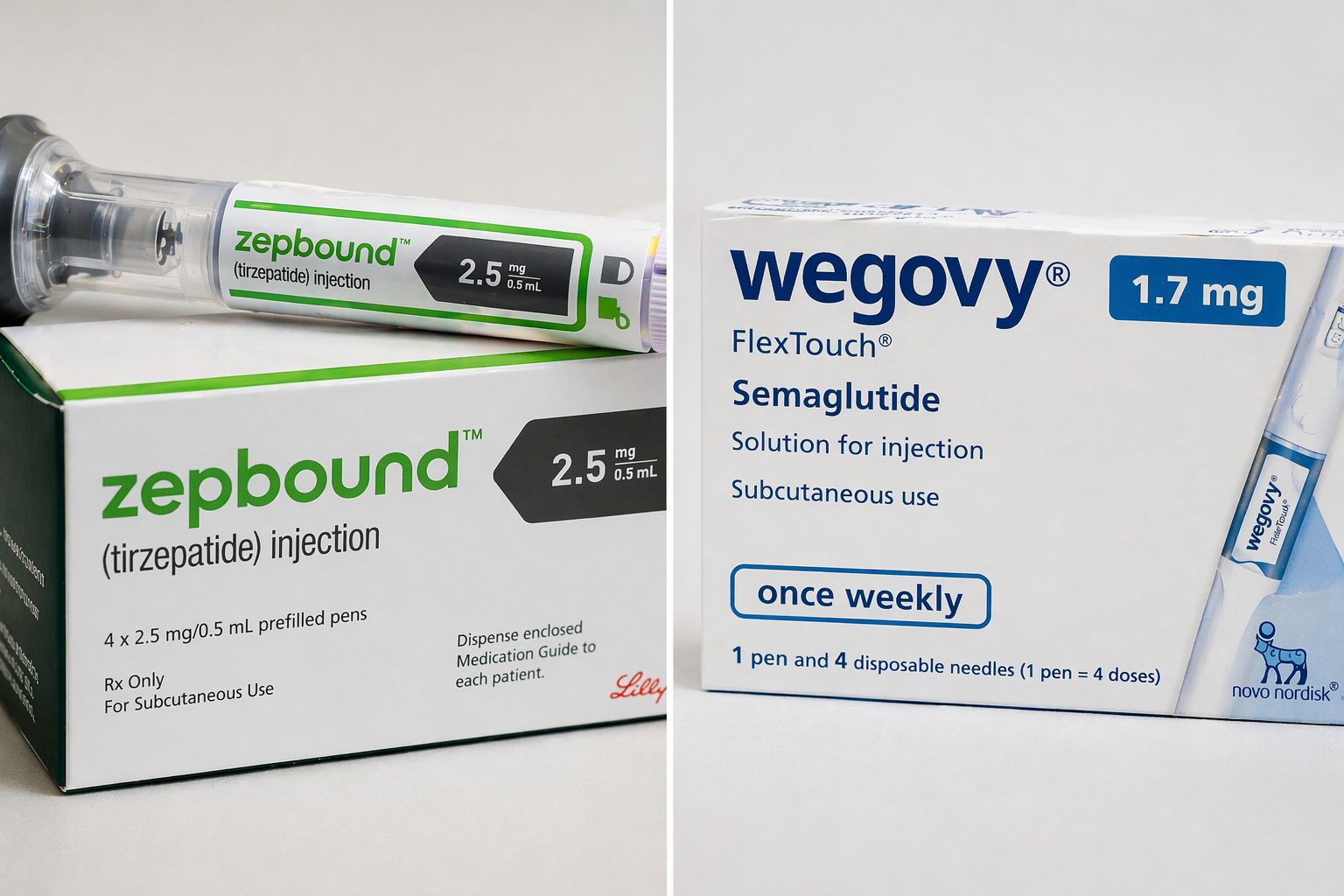
A new study indicates that Novo Nordisk’s semaglutide may preserve lean body mass more effectively than Eli Lilly’s tirzepatide, despite the latter delivering greater overall weight loss.
The analysis, conducted by data firm nference, reviewed outcomes from approximately 8,000 patients and found that tirzepatide users experienced consistently higher loss of lean body mass—including muscle and connective tissue—compared to those using semaglutide.
Weight Loss vs. Muscle Preservation
Tirzepatide, sold under brands such as Zepbound and Mounjaro, produced stronger weight loss outcomes on average. However, it was associated with:
- 1.1% greater lean mass loss after three months
- 2% greater lean mass loss after 12 months
Semaglutide, marketed as Wegovy and Ozempic, showed comparatively lower impact on lean tissue, suggesting a potentially more balanced weight-loss profile.
“This suggests patients shouldn’t simply choose based on total weight loss alone,” said Venky Soundararajan, emphasizing the importance of body composition outcomes.
Clinical Context and Limitations
Both drugs belong to a class of therapies that regulate appetite and slow digestion by mimicking hormones such as GLP-1. Tirzepatide also targets a second hormone (GIP), which may contribute to its stronger weight-loss effects—but also raises questions about its impact on muscle preservation.
The study, which has not yet undergone peer review, could not determine why tirzepatide led to greater lean mass reduction.
Additional findings showed:
- Around 10% of tirzepatide users who lost over 20% of body weight also lost more than 5% of lean mass
- This figure was below 7% for semaglutide users
- Reduced exercise tolerance and pre-existing musculoskeletal conditions increased the risk of lean mass loss
Industry Response and Implications
Novo Nordisk noted that clinical trials for semaglutide did not show significant differences in muscle mass compared to placebo, and that physical function was maintained. Eli Lilly has not yet commented on the findings.
The results highlight a growing consideration in obesity treatment: quality of weight loss, not just quantity. Loss of lean body mass can impact strength, metabolism, and long-term health outcomes, particularly if not offset by physical activity.
Shifting Focus in Obesity Treatment
As competition intensifies in the rapidly expanding obesity drug market, the study underscores the need for a more nuanced approach to treatment selection—balancing weight reduction with preservation of muscle and overall physical function.
Experts suggest that combining these therapies with exercise and nutritional strategies may be critical to minimizing muscle loss and optimizing long-term health benefits.