Telemedicine: Online Doctor Consultation

Telemedicine, also known as online doctor consultation, is one of the most important technological advancements in the healthcare industry. It allows patients to consult doctors remotely using the internet through video calls, phone calls, or mobile applications. Telemedicine has made healthcare more accessible, affordable, and convenient, especially for people living in rural or remote areas where hospitals and healthcare facilities are limited.
In traditional healthcare systems, patients had to visit hospitals physically, wait in long queues, and spend both time and money on travel. However, telemedicine has changed this system by allowing patients to consult doctors from their homes. With the help of smartphones, laptops, and internet connectivity, patients can now discuss their health problems, receive medical advice, and even get prescriptions online.
One of the biggest advantages of telemedicine is convenience. Patients do not need to travel long distances or wait for hours in hospitals. This is very helpful for elderly patients, disabled individuals, and people with chronic diseases who require regular check-ups. Telemedicine also reduces the risk of spreading infectious diseases because patients can consult doctors without visiting crowded hospitals.
Telemedicine is widely used for general health consultations, follow-up visits, mental health counseling, dermatology, diabetes management, and many other healthcare services. For example, a patient with diabetes can regularly share their blood sugar readings with a doctor online and receive advice on diet, exercise, and medication. Similarly, patients with skin problems can send images to dermatologists and receive treatment recommendations.
Another important feature of telemedicine is remote patient monitoring. Doctors can monitor patients’ health using wearable devices that track heart rate, blood pressure, oxygen level, and other health parameters. These devices send real-time data to doctors, and if any abnormal condition is detected, doctors can immediately contact the patient. This helps in early detection of health problems and prevents serious complications.
Telemedicine became very popular during the COVID-19 pandemic when people were unable to visit hospitals due to lockdowns and safety concerns. During that time, many hospitals and clinics started offering online consultation services. Even after the pandemic, telemedicine continues to be an important part of modern healthcare because it saves time, reduces costs, and improves healthcare access.
However, telemedicine also has some limitations. It cannot be used for serious medical emergencies such as accidents, heart attacks, or surgeries where physical examination is necessary. Some patients may also face problems due to poor internet connection or lack of knowledge about using technology. Data privacy and security are also important concerns because patient information is shared online.
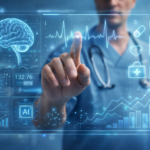
Despite these challenges, telemedicine is growing rapidly and becoming an essential part of healthcare systems around the world. In the future, telemedicine may become more advanced with the help of artificial intelligence, smart health monitoring devices, and mobile health applications. Patients may receive faster diagnosis, personalized treatment, and continuous health monitoring through telemedicine.