
The EHR is Broken. Why Greenway Started Over with Novare.
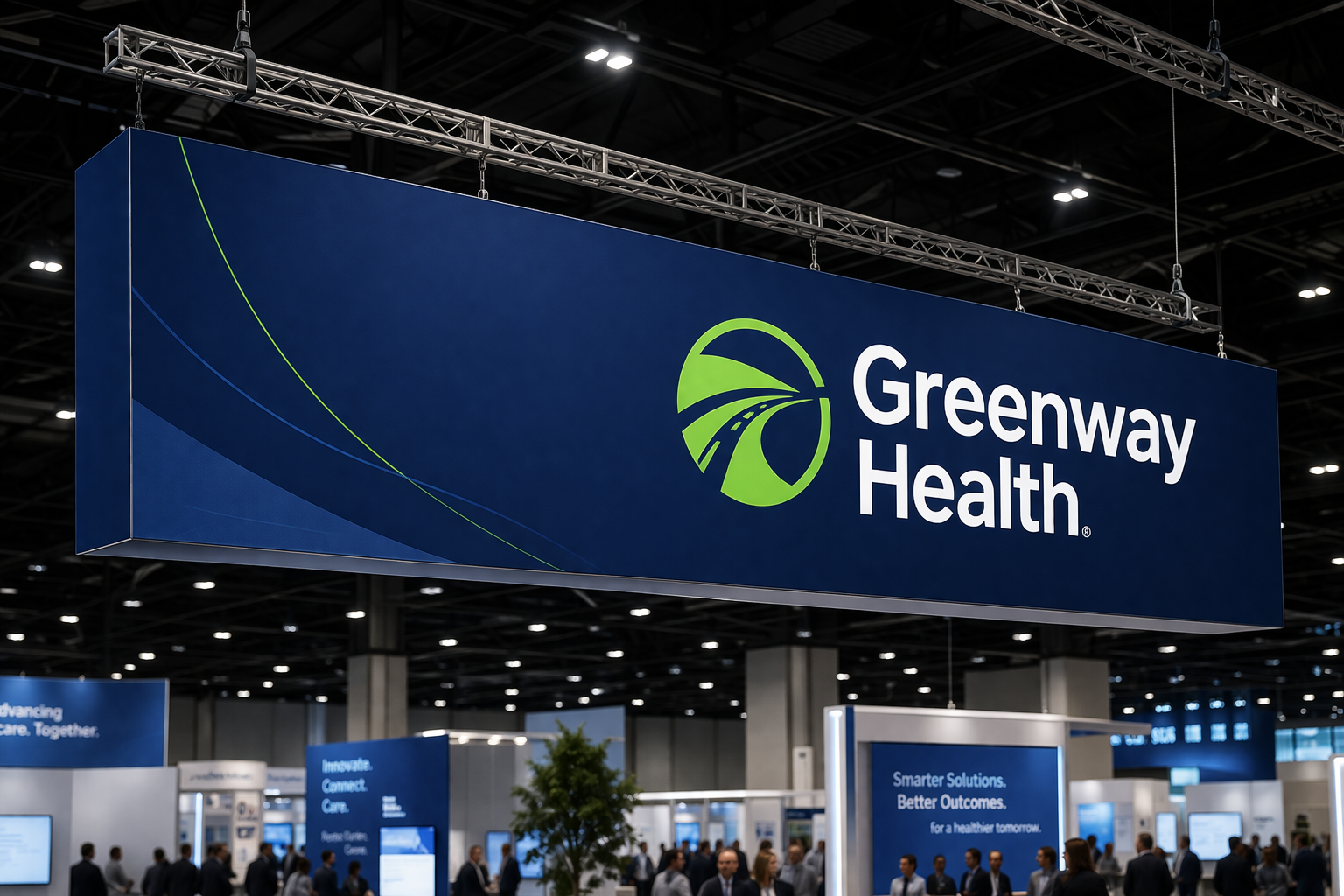
Greenway Health is taking a bold step to reimagine electronic health records (EHRs) with the launch of its new AI-native platform, Novare, unveiled at HIMSS26.
Speaking at the event, CEO Richard Atkin and Chief Medical Officer Dr. Michael Blackman outlined why traditional EHR systems are no longer fit for purpose. Designed primarily to store data and meet regulatory requirements, legacy systems have evolved into complex, fragmented tools that often hinder productivity rather than support care delivery.
Novare aims to change that by embedding artificial intelligence at its core. Unlike conventional systems that add AI features on top of outdated architectures, the new platform is built from the ground up to integrate seamlessly into clinical workflows. Its goal is to transform EHRs from passive data repositories into active clinical partners.
A key focus of the platform is reducing administrative burden. Using agentic AI, Novare can summarize patient histories, surface relevant insights during consultations, and automate tasks such as coding, billing, and reporting. This approach allows documentation to become a natural byproduct of care rather than a time-consuming after-hours task.
Greenway also highlighted improvements to revenue cycle management. By shifting coding decisions earlier in the care process—while the patient is still present—Novare helps prevent billing errors before they occur. This proactive approach reduces claim denials, minimizes rework, and accelerates payments.
The platform goes beyond basic ambient AI tools that simply record and transcribe patient interactions. Instead, it uses intelligent systems to analyze longitudinal patient data, identify patterns, and provide real-time clinical support. For example, it can automatically surface past visits and relevant medical history during a consultation, enabling more informed decision-making.
Greenway believes this AI-by-design approach is essential to addressing clinician burnout, often driven by “pajama time”—the hours spent completing documentation after work. By automating chart preparation and reducing the need to search through fragmented data, the platform aims to give clinicians more time to focus on patient care.
The launch of Novare signals a broader shift in healthcare technology, where success will depend on building systems around clinical needs rather than retrofitting legacy platforms. As adoption unfolds, the industry will be watching closely to see whether AI-first EHRs can deliver on their promise to improve efficiency, reduce burnout, and enhance patient outcomes.


