WHO and Partners Launch New Initiative to Expand Use of Digital Health Wallets
The World Health Organization (WHO), the Alliance for Health Policy and Systems Research, and the Temasek Foundation have launched a new three-year initiative to help ASEAN countries transition from paper-based health records to secure and interoperable Digital Health Wallets (DHWs). The programme aims to strengthen national health systems, improve continuity of care, and give individuals secure and portable access to their health records.
The initiative was developed based on lessons learned from the COVID-19 pandemic, which highlighted the importance of trusted and verifiable digital health records that can be accessed across borders. The programme will support countries in replacing traditional paper documents such as vaccination cards and child health booklets with secure digital health wallets that store essential health information.
These digital health wallets will use secure cryptographic technology through WHO’s Global Digital Health Certification Network (GDHCN), ensuring that health records are safe, verifiable, and interoperable across different health systems. The programme will initially focus on digital vaccination certificates and later expand to include routine immunization records, maternal and child health records, and broader personal health summaries.
The initiative will also provide technical support, infrastructure development, and training to help countries integrate digital wallets into their national health systems. Global interoperability standards such as HL7 FHIR and International Patient Summary will be used to ensure that health data can be shared safely and consistently between healthcare providers and across countries.
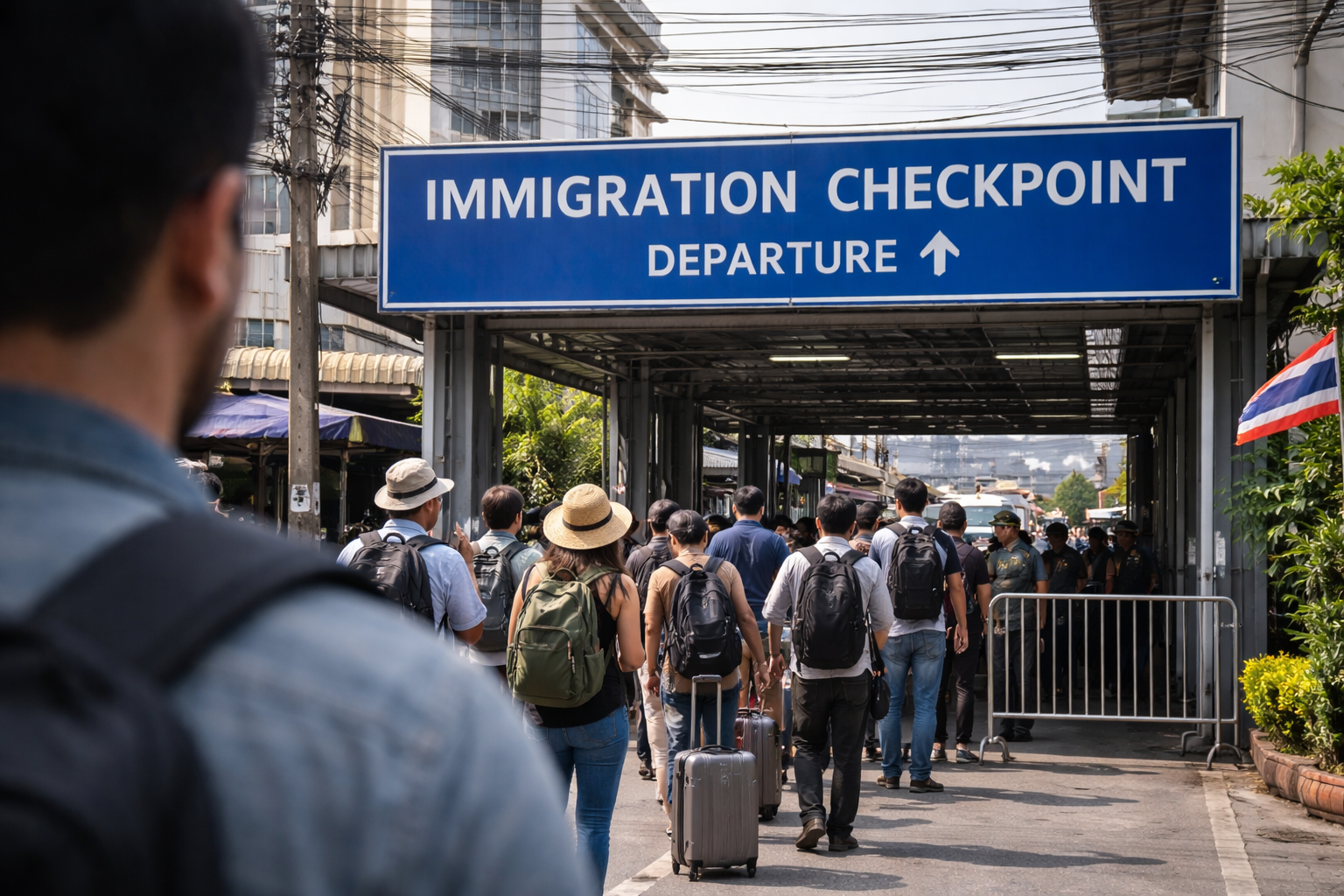
Pilot projects will be conducted in ASEAN countries to test how digital health wallets can improve healthcare delivery, especially for mothers, children, and international travellers. The programme will also include research and policy development to help countries successfully implement digital health systems based on local needs.
By the end of the programme, digital health wallets will be tested in participating countries, and the results will be used to create a model that other countries can adopt. The initiative will also produce global guidance to support the wider adoption of secure digital health wallets and strengthen health systems worldwide.