Autonomous Coding Technology Drives 5.1% Revenue Growth at Mercyhealth
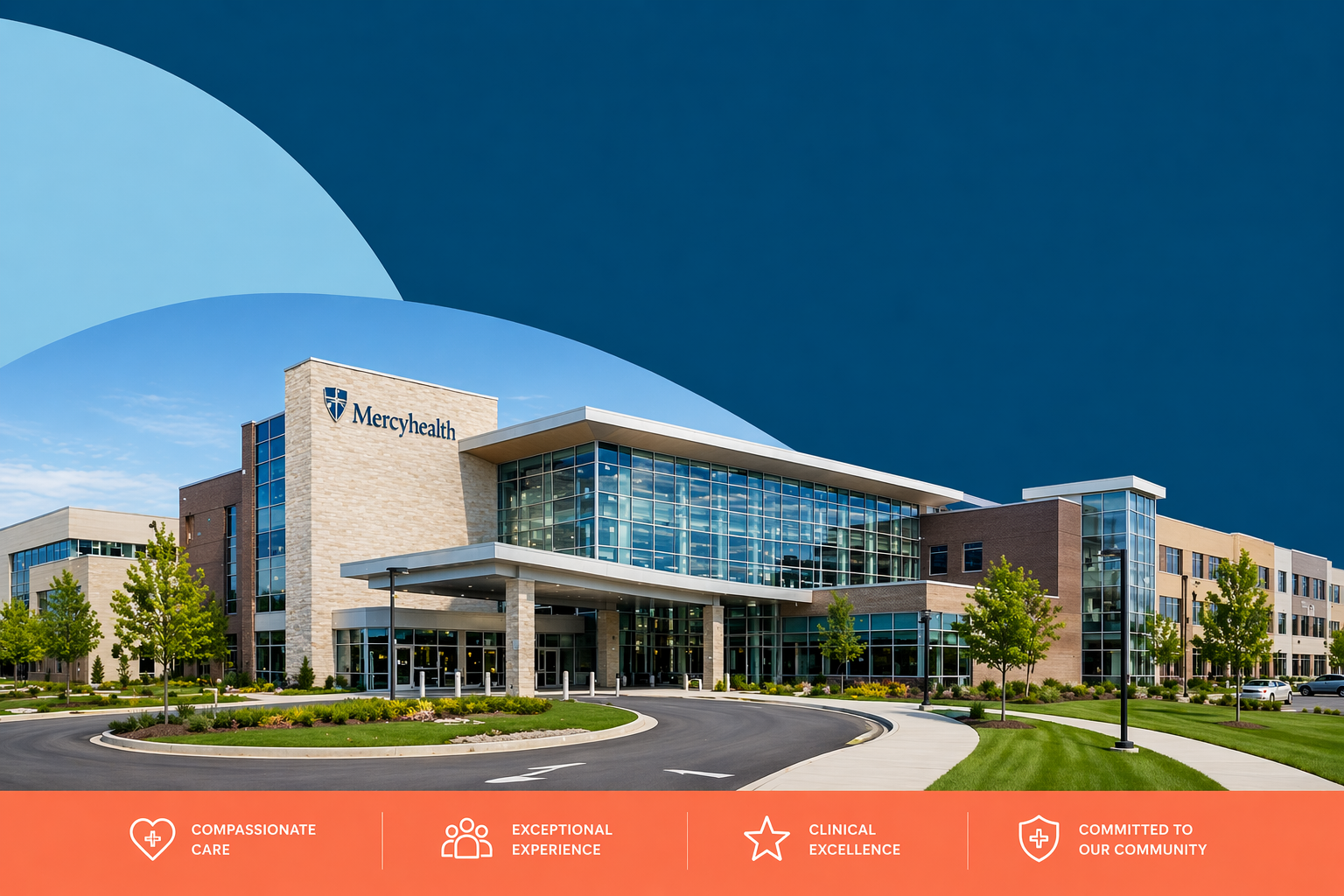
Mercyhealth has reported a 5.1% increase in revenue following the implementation of autonomous coding technology, highlighting the growing impact of AI-driven solutions on healthcare revenue cycle performance.
The system-wide transformation has not only improved coding accuracy but also enhanced operational efficiency across the entire revenue cycle—from clinical documentation to denial management.
Addressing Growing Coding Demands
With more than 200 care locations across Wisconsin and Illinois, Mercyhealth faced increasing pressure as chart volumes exceeded 130,000 per month. Coding resources, however, did not scale at the same pace, leading to gaps in review consistency and missed opportunities to fully capture care delivered.
“Our team was balancing multiple priorities, from denials and audits to provider support, making it difficult to stay ahead,” said Kelly Pierson.
Recognizing the need for a scalable solution, the organization sought to reduce manual workload while improving coding quality and consistency.
Implementing Autonomous Coding
Mercyhealth partnered with Arintra to deploy an autonomous coding platform integrated directly into its Epic environment.
The system was designed to handle high-volume, routine coding tasks, allowing human coders to focus on more complex cases and higher-value activities. Implementation included standardizing coding templates and policies, as well as introducing a coding assist feature for cases requiring manual review.
A phased rollout—starting with family and internal medicine—enabled the organization to validate performance before expanding across specialties.
Improving Efficiency and Accuracy
By embedding the technology into existing workflows, Mercyhealth minimized disruption while achieving greater consistency in coding practices.
The platform now processes more than 50,000 charts per month, automating routine cases and providing traceable logic for coding decisions. This has improved audit readiness and streamlined denial management by enabling faster, more informed appeals.
Measurable Financial and Operational Gains
Since implementation, Mercyhealth has seen significant improvements, including:
- 5.1% increase in revenue, driven by more accurate capture of services
- 50% reduction in pre-A/R days, accelerating the revenue cycle
- Fewer claim denials due to improved front-end accuracy
- Enhanced visibility into documentation patterns for targeted provider education
The organization has also expanded its operational capacity without increasing staffing levels, allowing coders to focus on strategic areas such as revenue integrity and compliance.
Transforming the Revenue Cycle
The shift to autonomous coding has enabled Mercyhealth to move from reactive processes to a more proactive, data-driven approach.
“Overall, this has gone beyond improving coding accuracy—it has strengthened how we operate across the entire revenue cycle,” Pierson said.
As healthcare systems continue to face rising volumes and resource constraints, AI-powered coding solutions are emerging as a key tool for improving efficiency, financial performance, and long-term sustainability.