Eli Lilly Investors Seek Early Signals on Foundayo Launch as Obesity Drug Race Intensifies
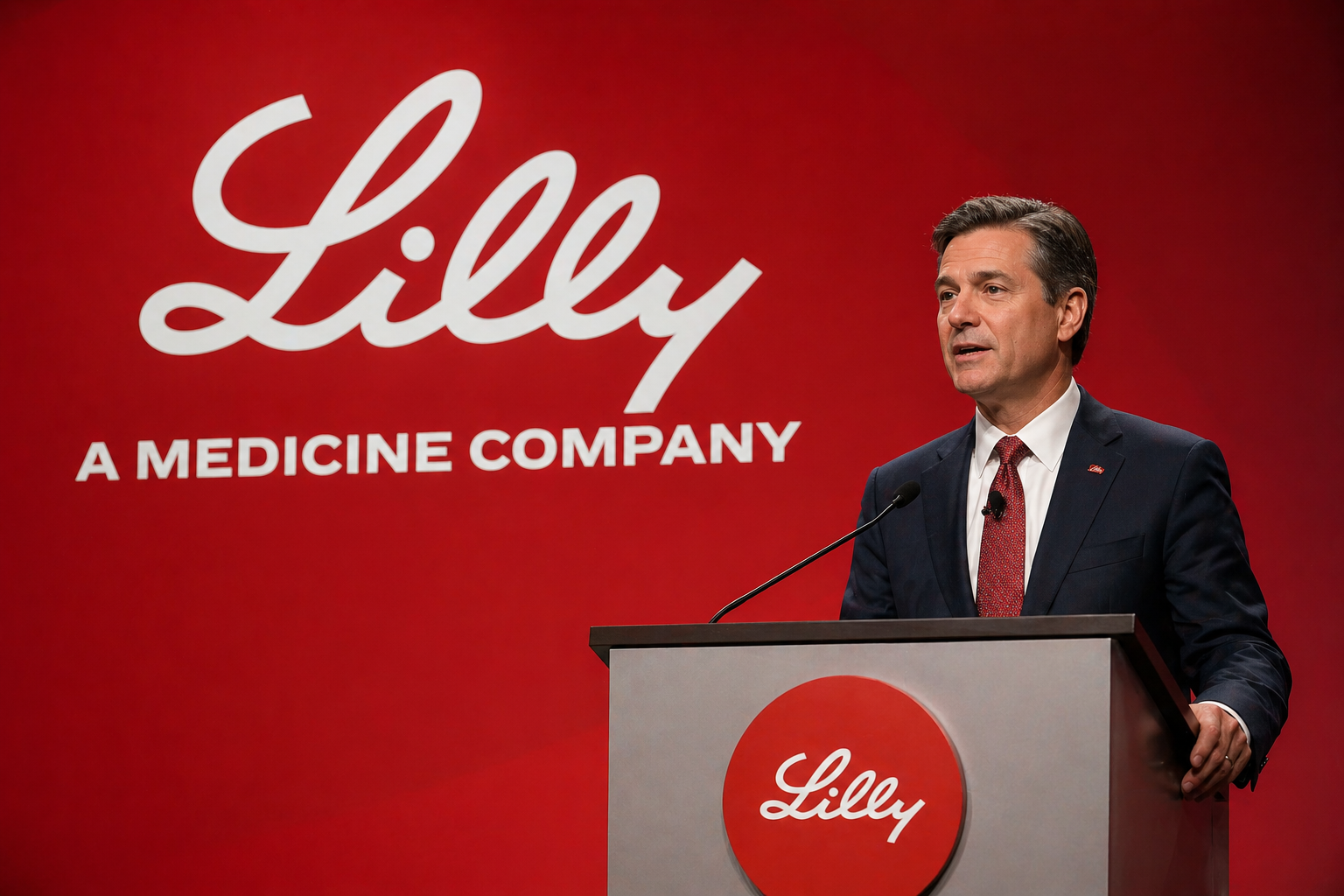
New York — Investors in Eli Lilly are expected to focus less on first-quarter financial results and more on early commentary surrounding the launch of its new weight-loss pill, Foundayo, as the company reports earnings this week.
Although U.S. sales of Foundayo began in early April, the drug’s performance will not yet be reflected in quarterly figures—leaving analysts and investors reliant on management guidance to gauge initial market traction.
Early Days for a High-Stakes Launch
Foundayo enters a highly competitive obesity treatment market, positioning itself as a rival to Novo Nordisk’s oral and injectable therapies, including Wegovy.
However, early indications suggest a cautious start, with some analysts noting that the launch may be progressing more slowly than Novo Nordisk’s recent oral offerings.
“We’re only a couple of weeks into the launch, so it’s too early to draw firm conclusions,” said Evan Seigerman. “Investors will be listening closely to how leadership frames the rollout.”
CEO Dave Ricks is expected to provide qualitative insights into prescription trends, demand signals, and market reception.
Strong Growth Driven by Existing Portfolio
Despite the uncertainty around Foundayo, Lilly’s broader performance remains robust. Analysts forecast a 26% year-over-year increase in revenue, driven by strong global demand for its diabetes and obesity treatments, including Mounjaro.
International markets have become an increasingly important growth driver, with expanding adoption across regions such as India, the Middle East, and Latin America.
Pricing Dynamics and Global Expansion
Investors are also closely monitoring pricing strategies and demand trends outside the United States. Drugmakers are navigating shifting policy dynamics, including efforts by Donald Trump’s administration to align U.S. drug prices more closely with those in other developed markets.
At the same time, Lilly has demonstrated flexibility in international pricing, including significant adjustments in markets such as the United Kingdom.
Competitive and Policy Pressures
The obesity drug market is becoming increasingly competitive, with additional pressures emerging from:
- Generic competition: Lower-cost alternatives entering markets such as India and Canada
- Reimbursement uncertainty: Delays in U.S. Medicare coverage for obesity treatments
- Insurer hesitation: Major players like UnitedHealth and CVS Health signaling caution on coverage participation
These factors are contributing to investor concerns about long-term pricing power and accessibility.